
How to Mix Metals in Your Kitchen Remodel
Mixing metals in your kitchen remodel is a great way to add depth, contrast, and a custom feel to your space. When done right, it creates a layered, designer look that feels intentional—not overwhelming. As a family-owned remodeling company serving Greenville, South Carolina, we help homeowners strike that balance every day.
Our tips for mixing metals:
Start with the 70/30 Rule
One of the easiest ways to mix metals successfully is to follow the 70/30 rule. This means choosing one dominant metal for about 70% of your finishes, and a secondary metal for the remaining 30%.
Your dominant metal should anchor the space—commonly used for cabinet hardware, faucets, or lighting. The secondary metal is there to add contrast and visual interest.
For example:
This approach keeps your kitchen feeling cohesive while still allowing for personality.
“Same Function, Same Finish”
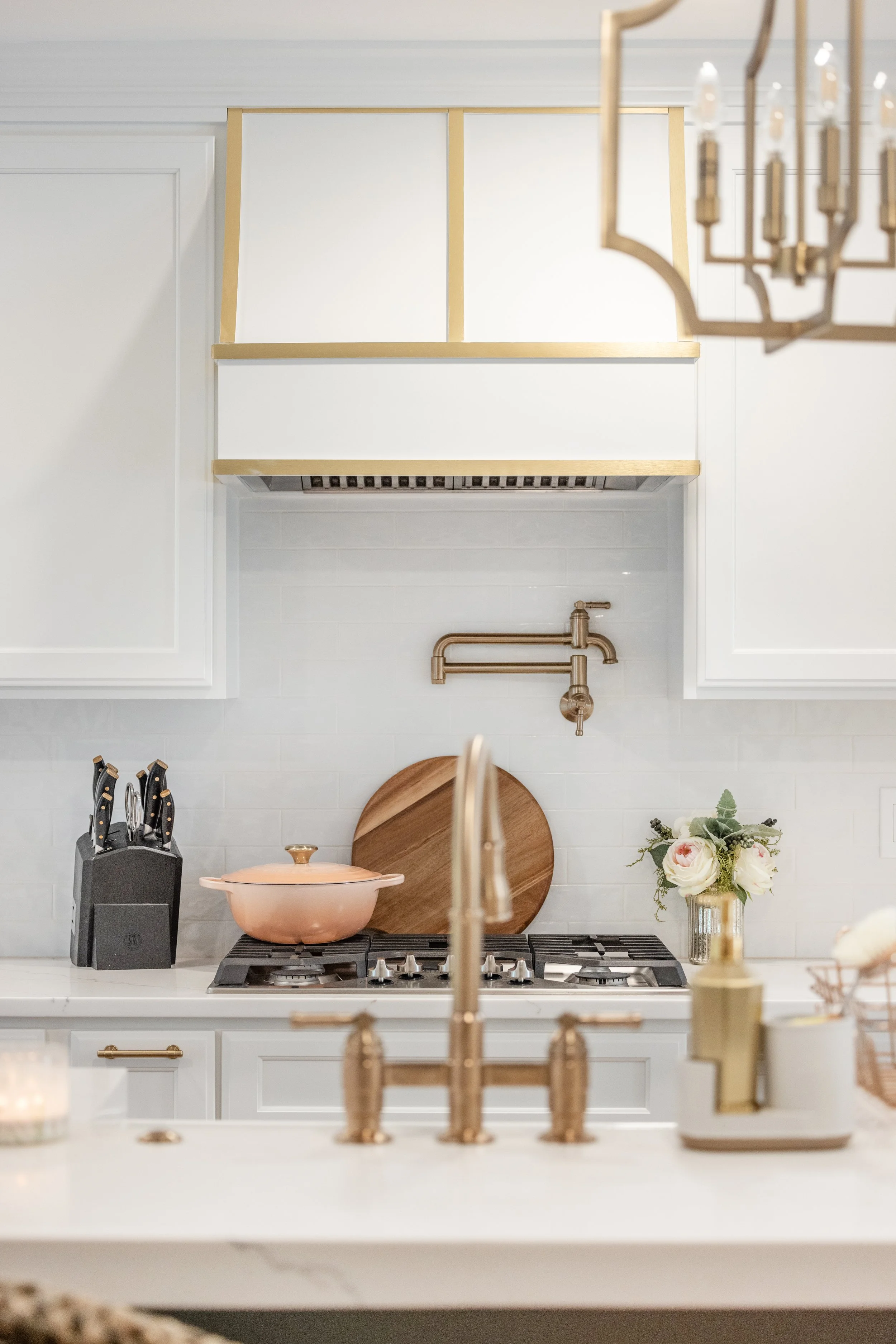
To avoid a mismatched look, stick to the principle of “same function, same finish.” In other words, all items that serve the same purpose should have a consistent metal finish.
Examples include:
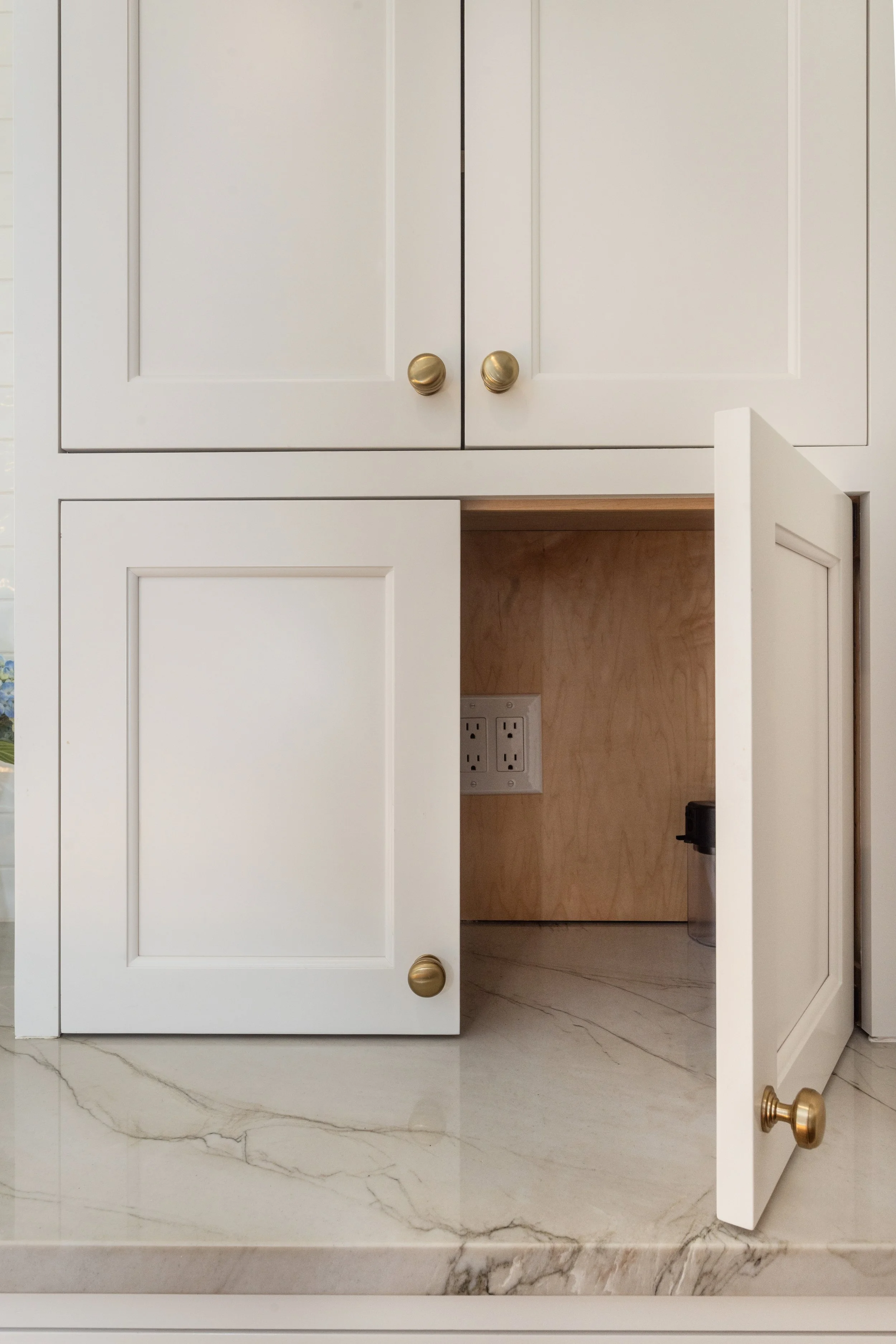
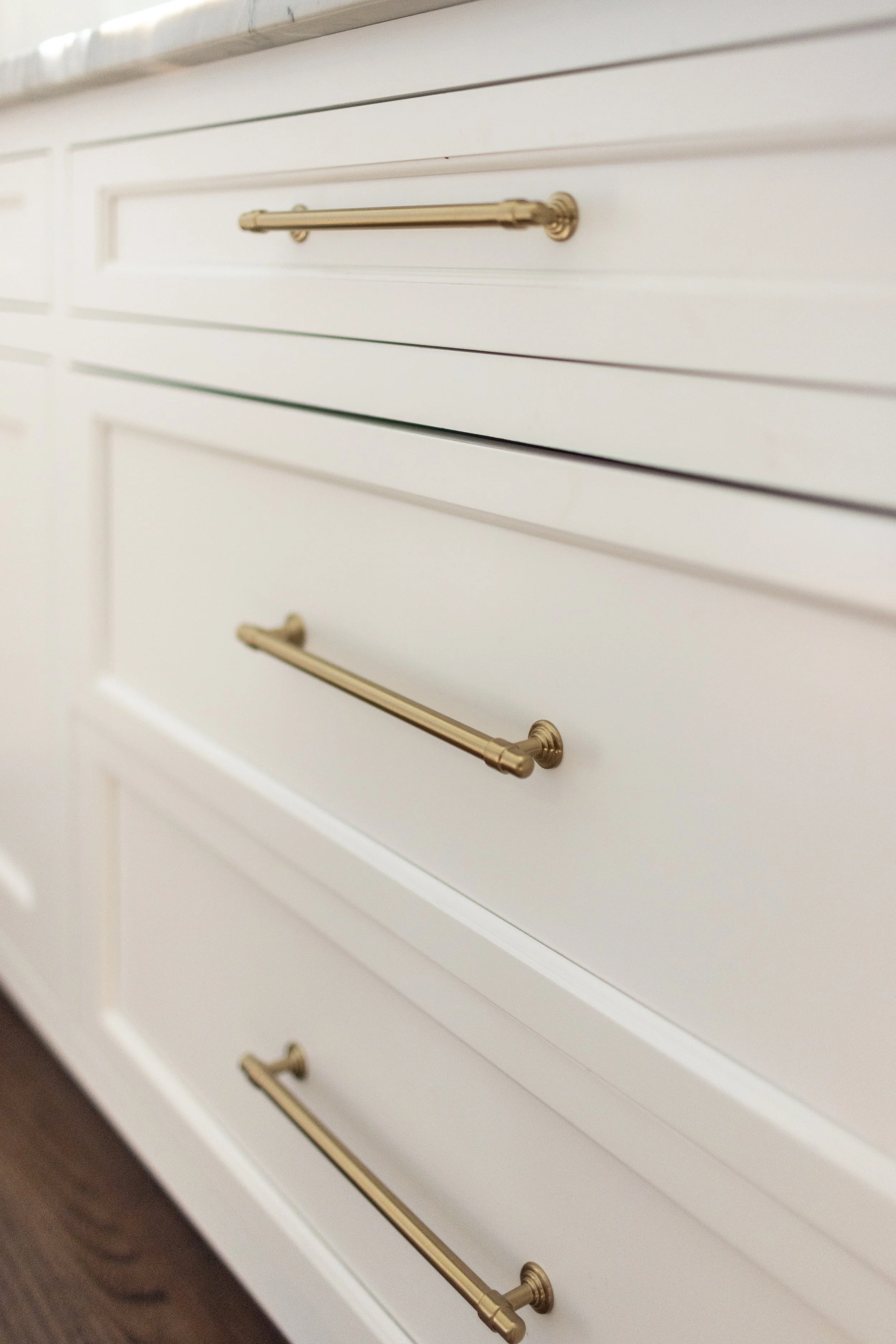
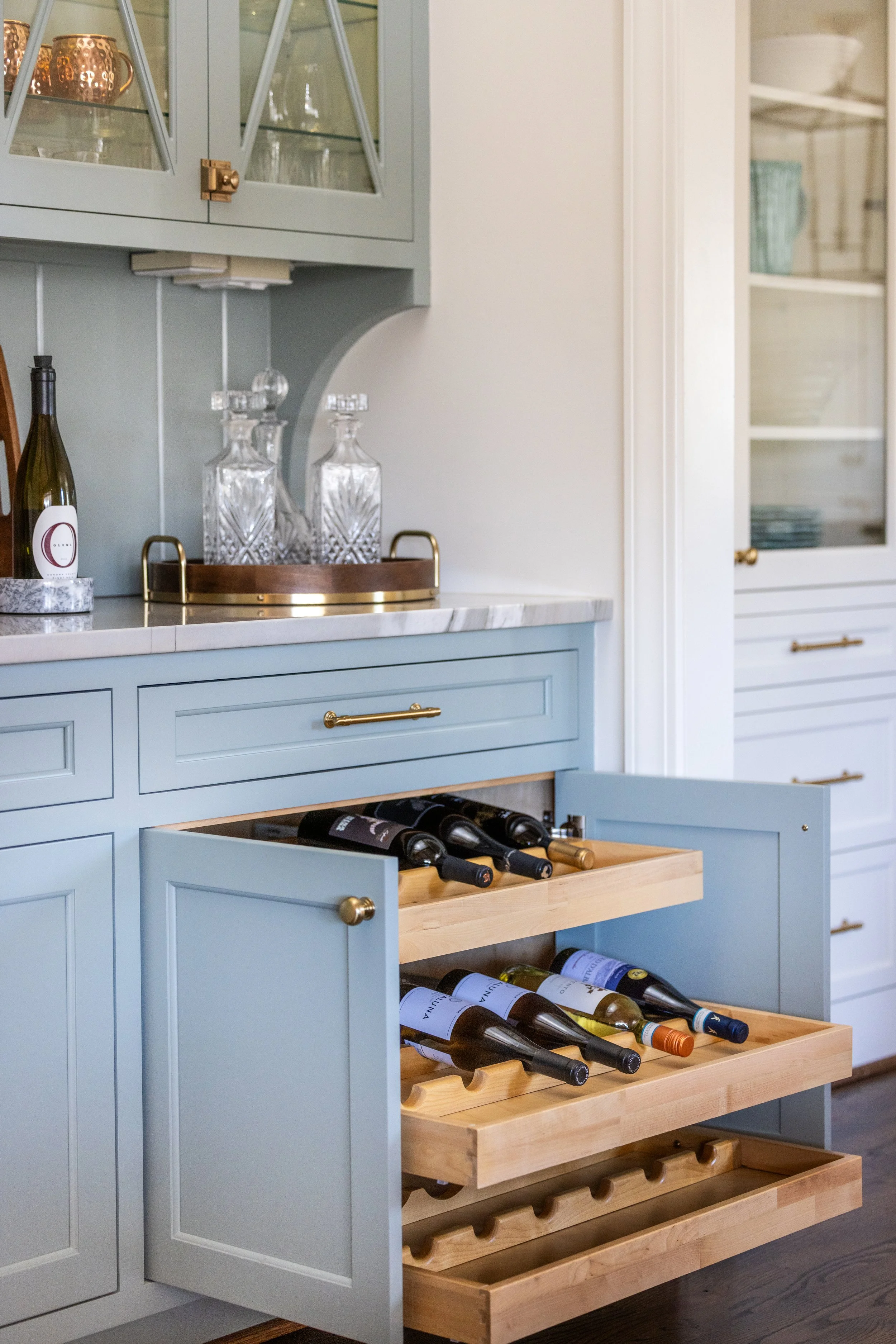
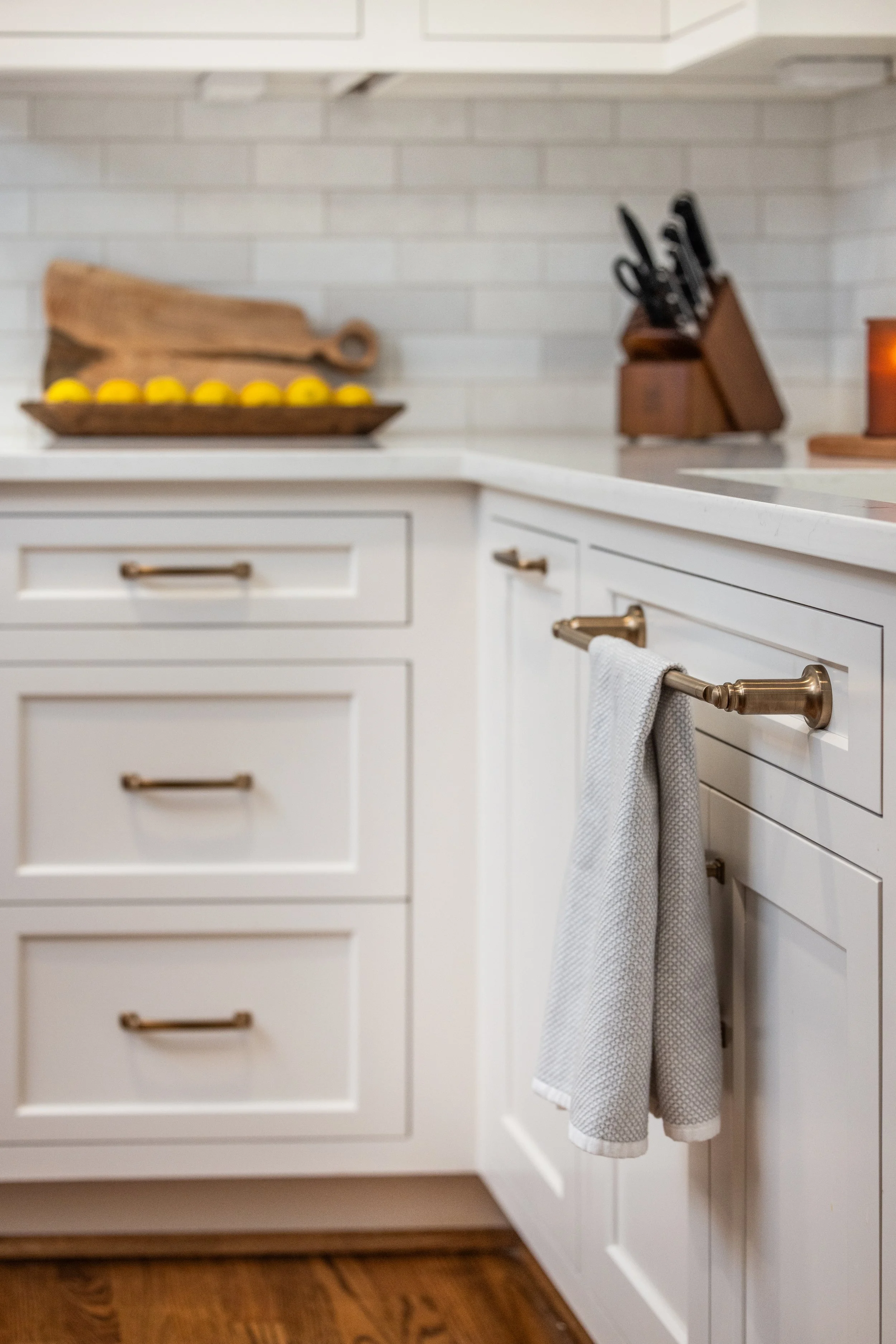
All cabinet hardware (knobs and pulls) should match
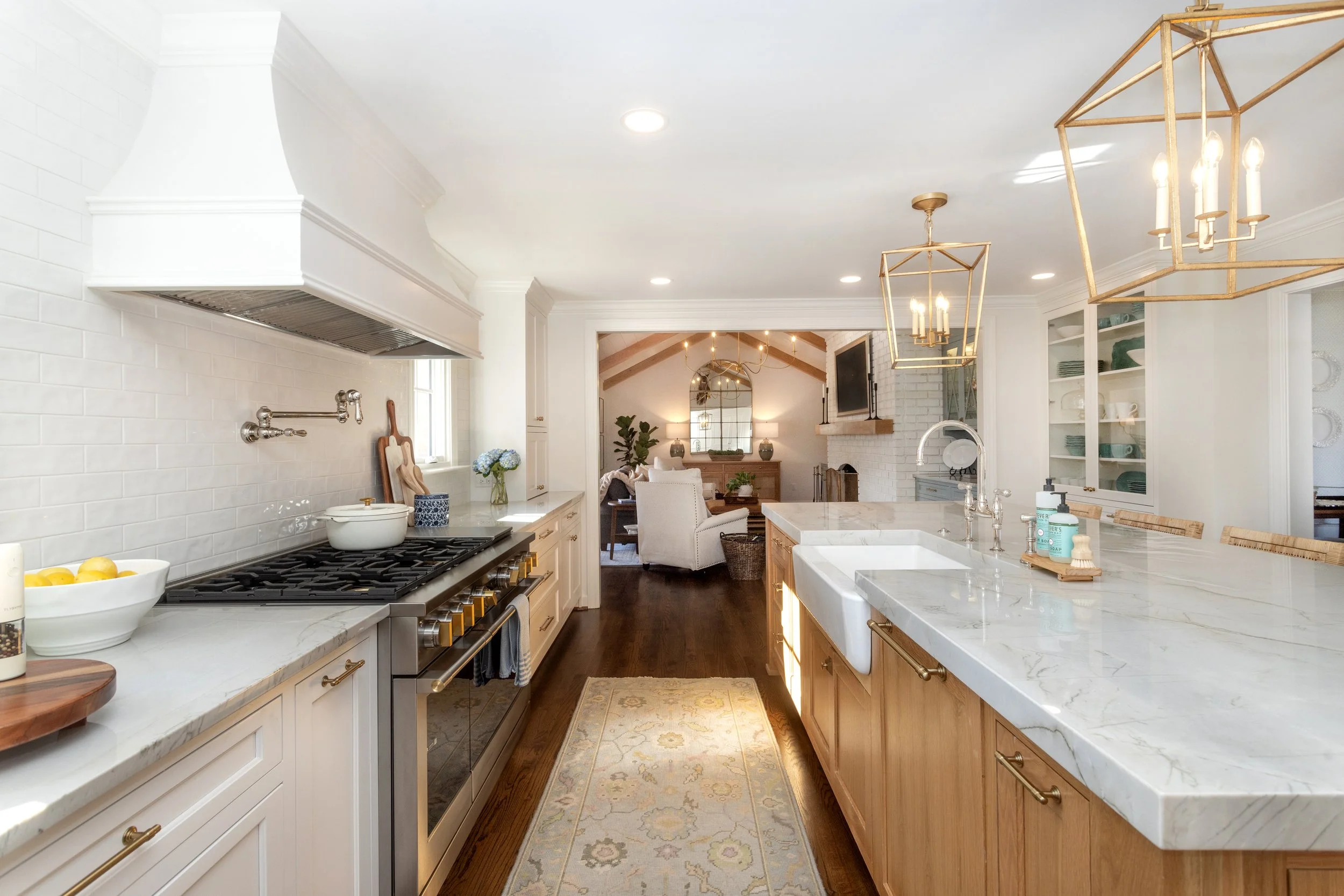
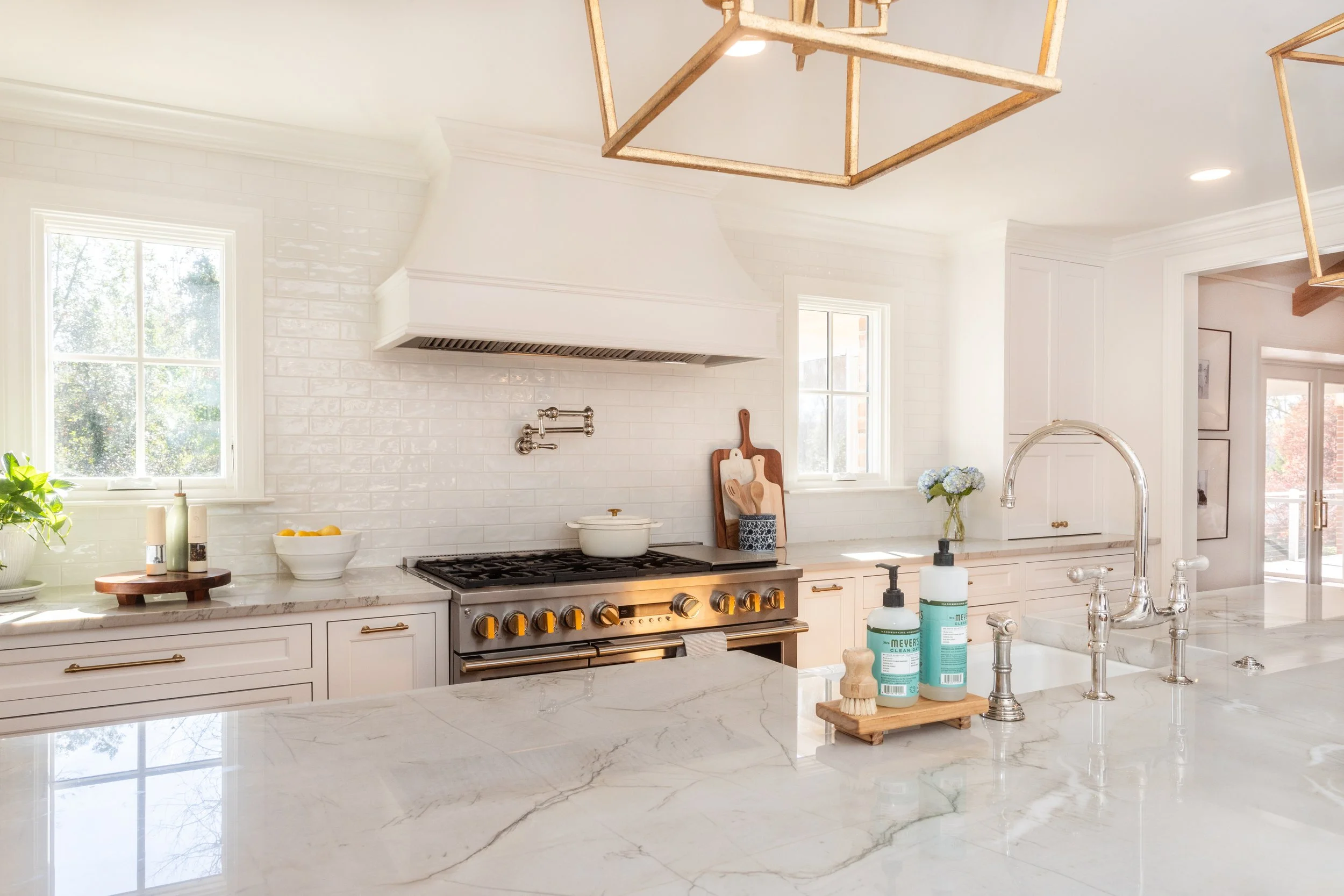
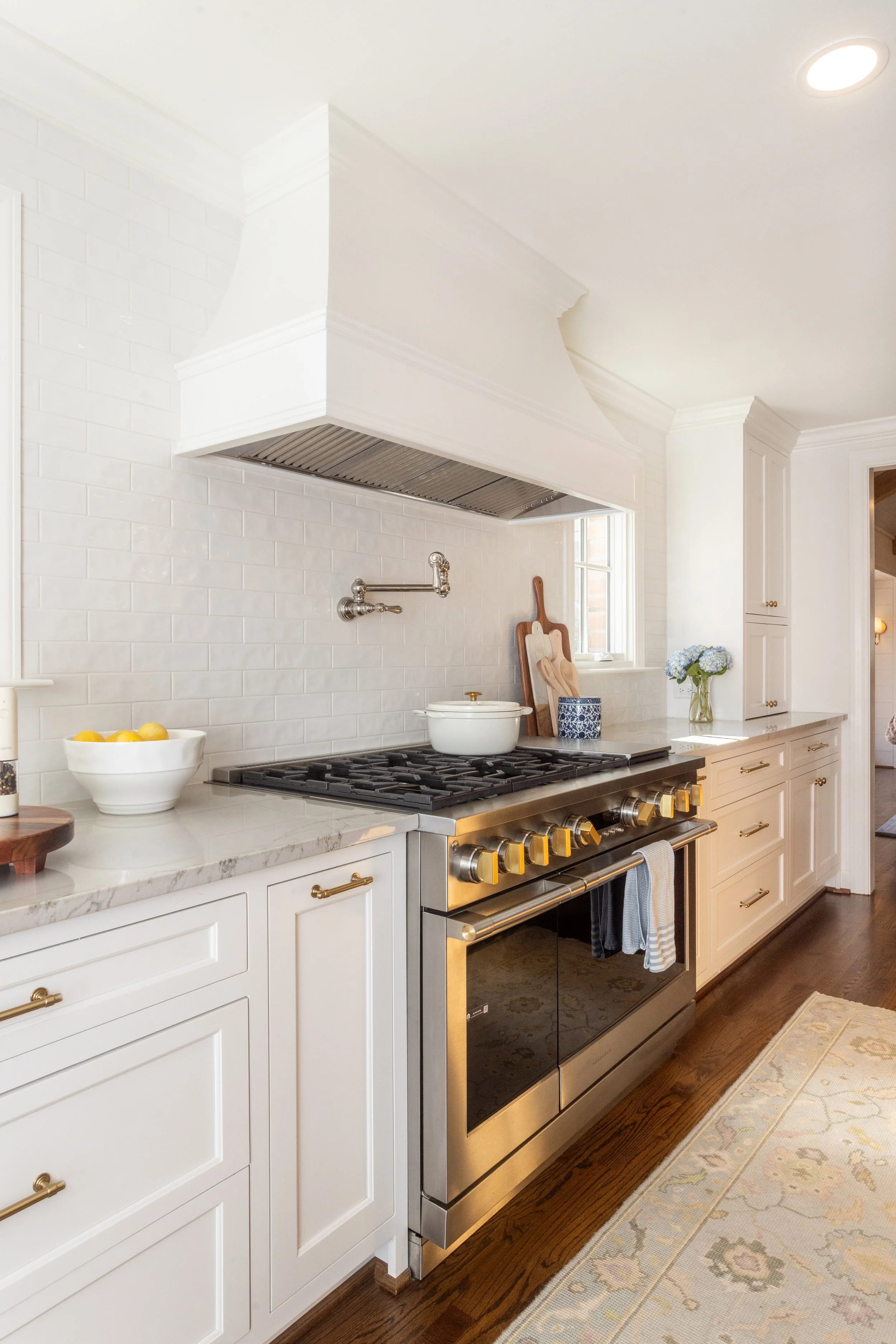
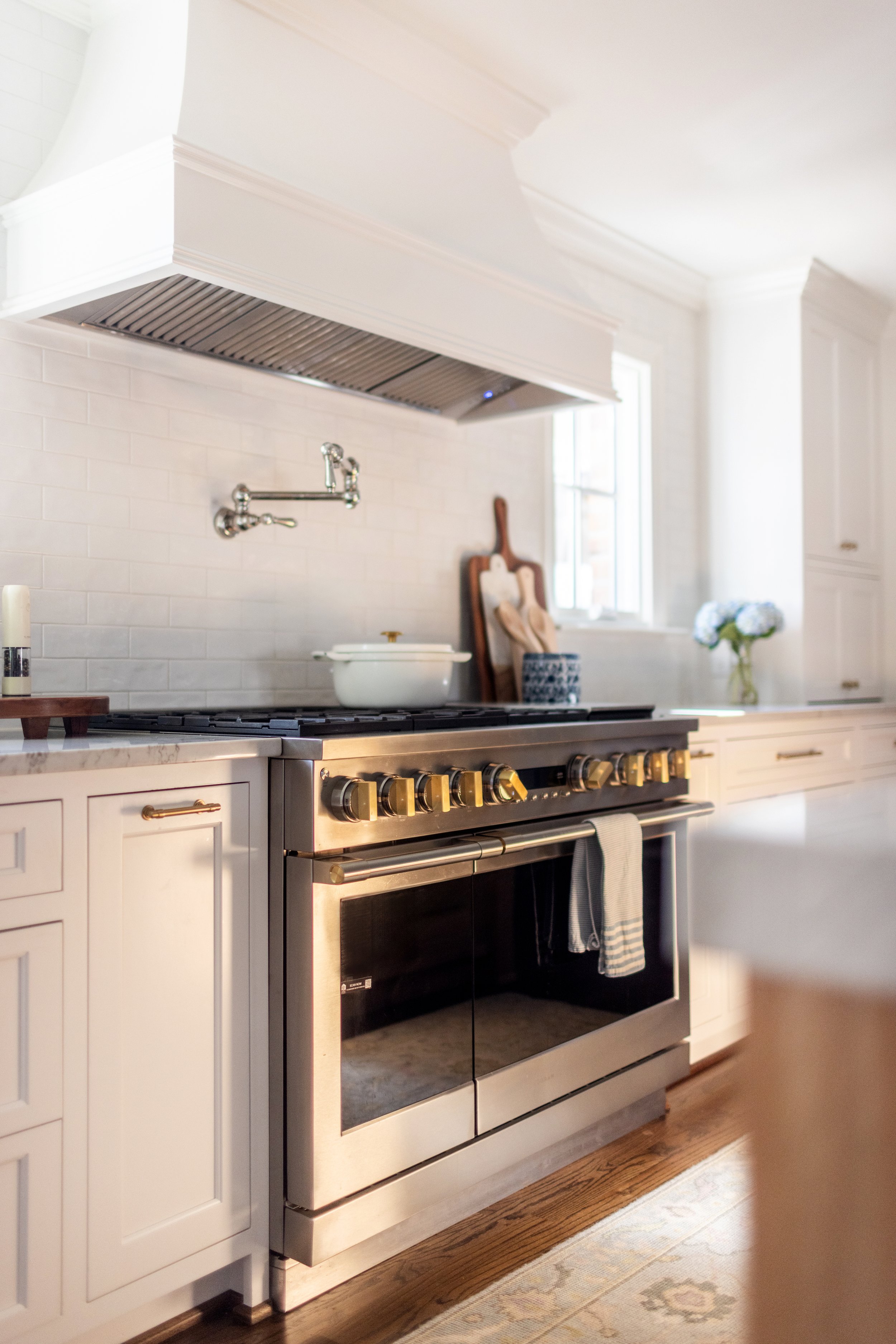
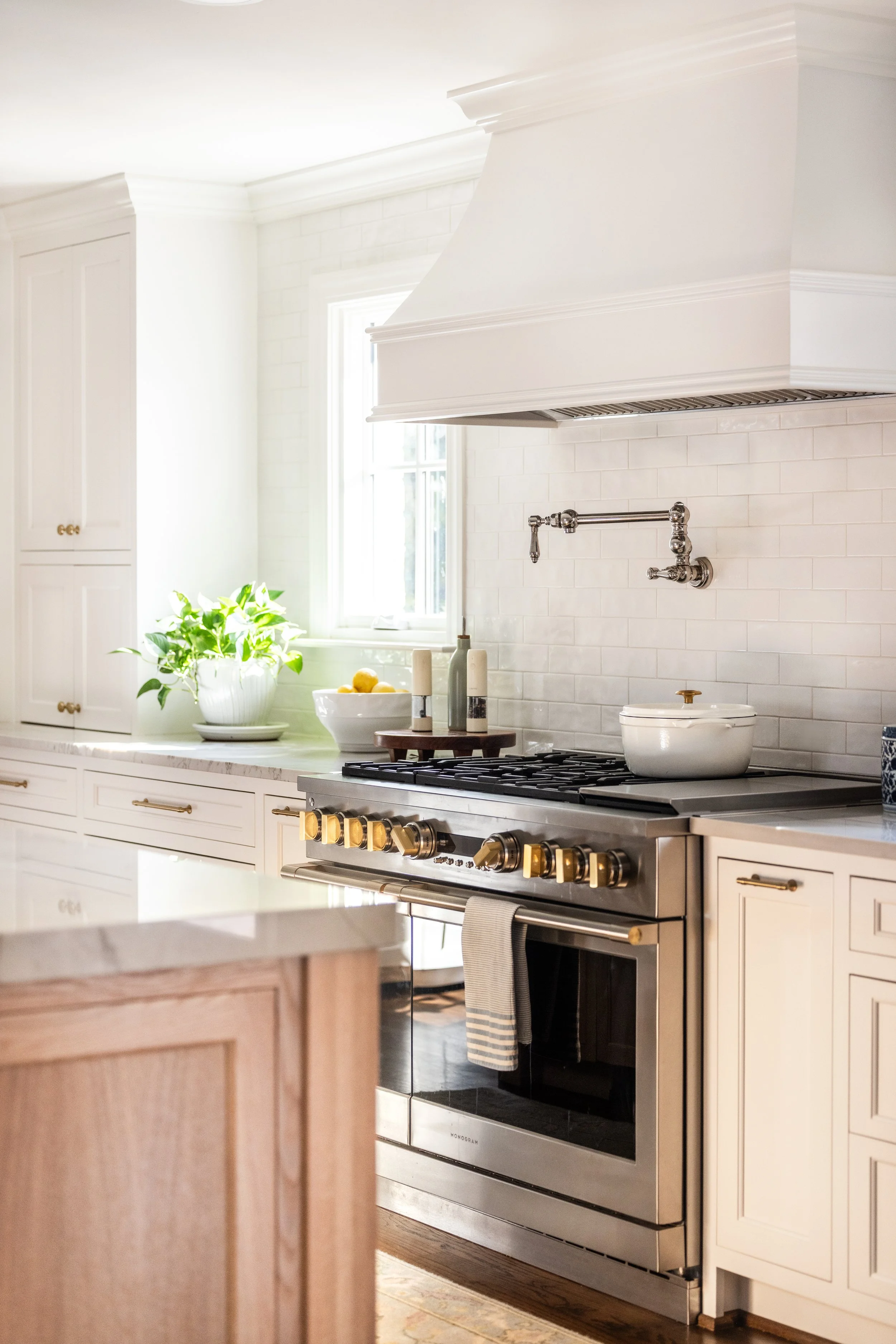
All plumbing fixtures (faucet, pot filler) should be the same finish
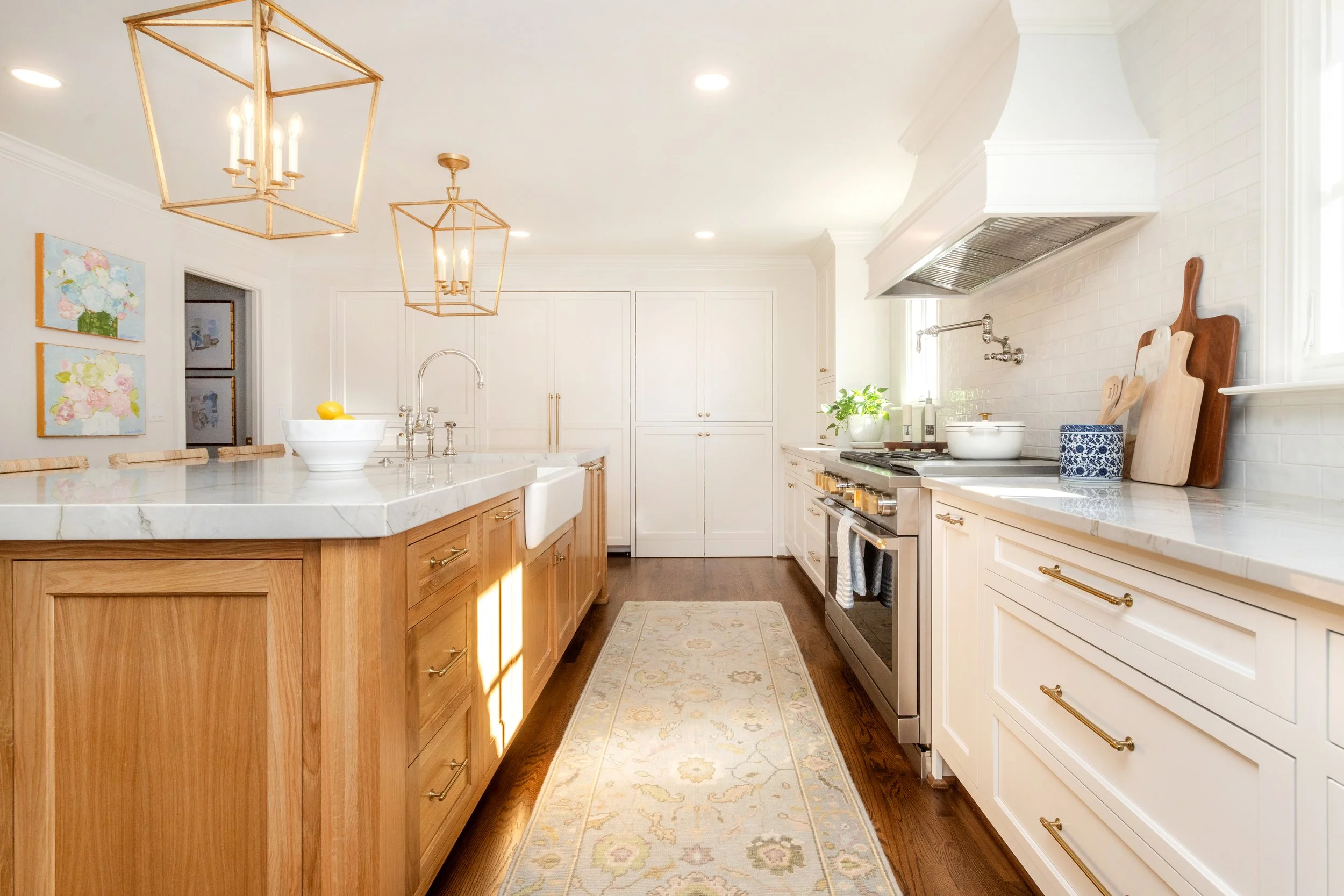
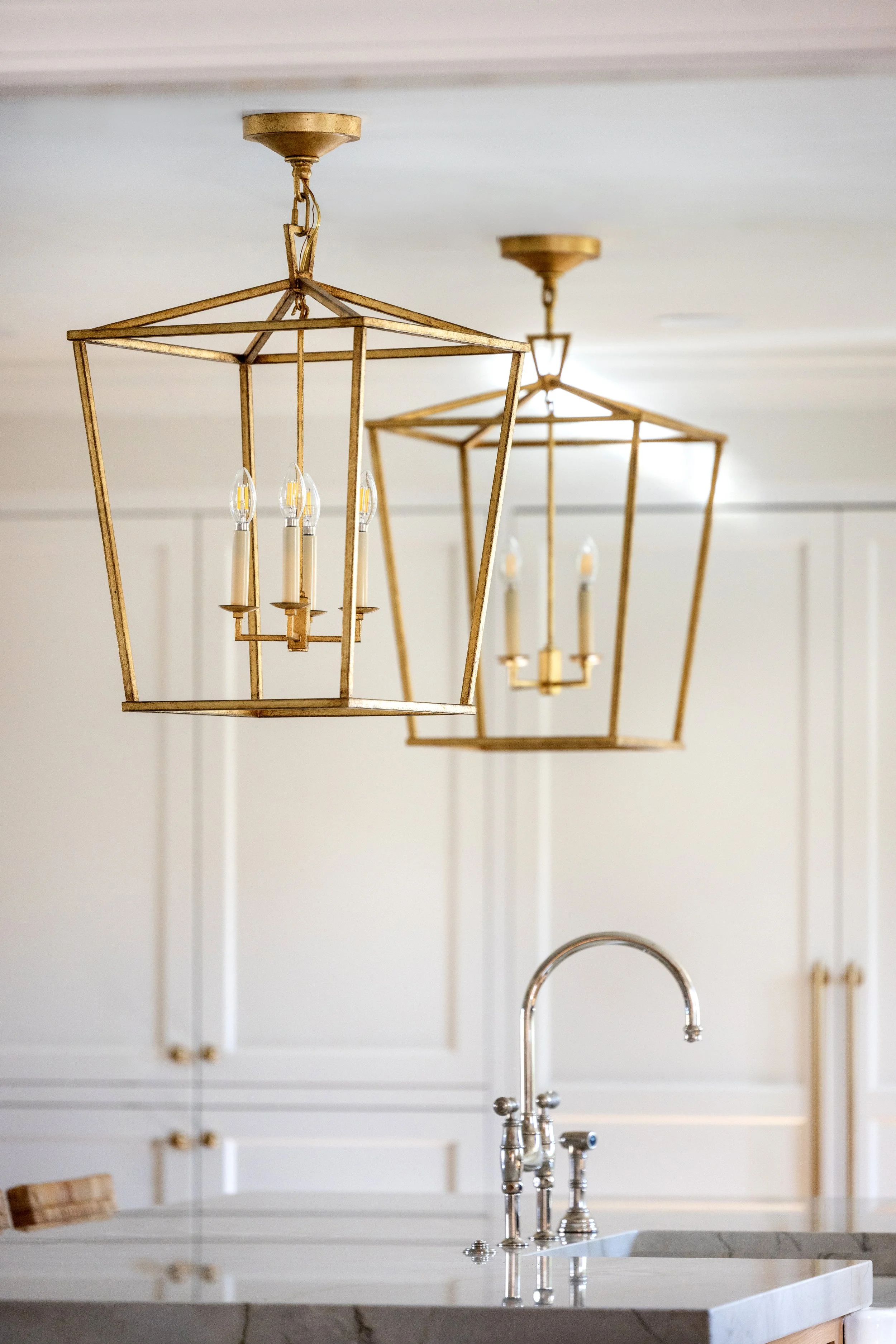
Lighting fixtures can mix—but should be consistent within their group
This creates visual order and prevents the space from feeling cluttered or chaotic.
Other Considerations
When mixing finishes, less is more. Stick to two metals—three at most. This ensures your design feels curated rather than busy. Keeping your palette simple makes it easier to maintain balance throughout the space.
1. Distribute Finishes Evenly
Once you’ve selected your metals, repeat them throughout the kitchen to create a sense of balance. Avoid isolating one finish in a single area.
For example:
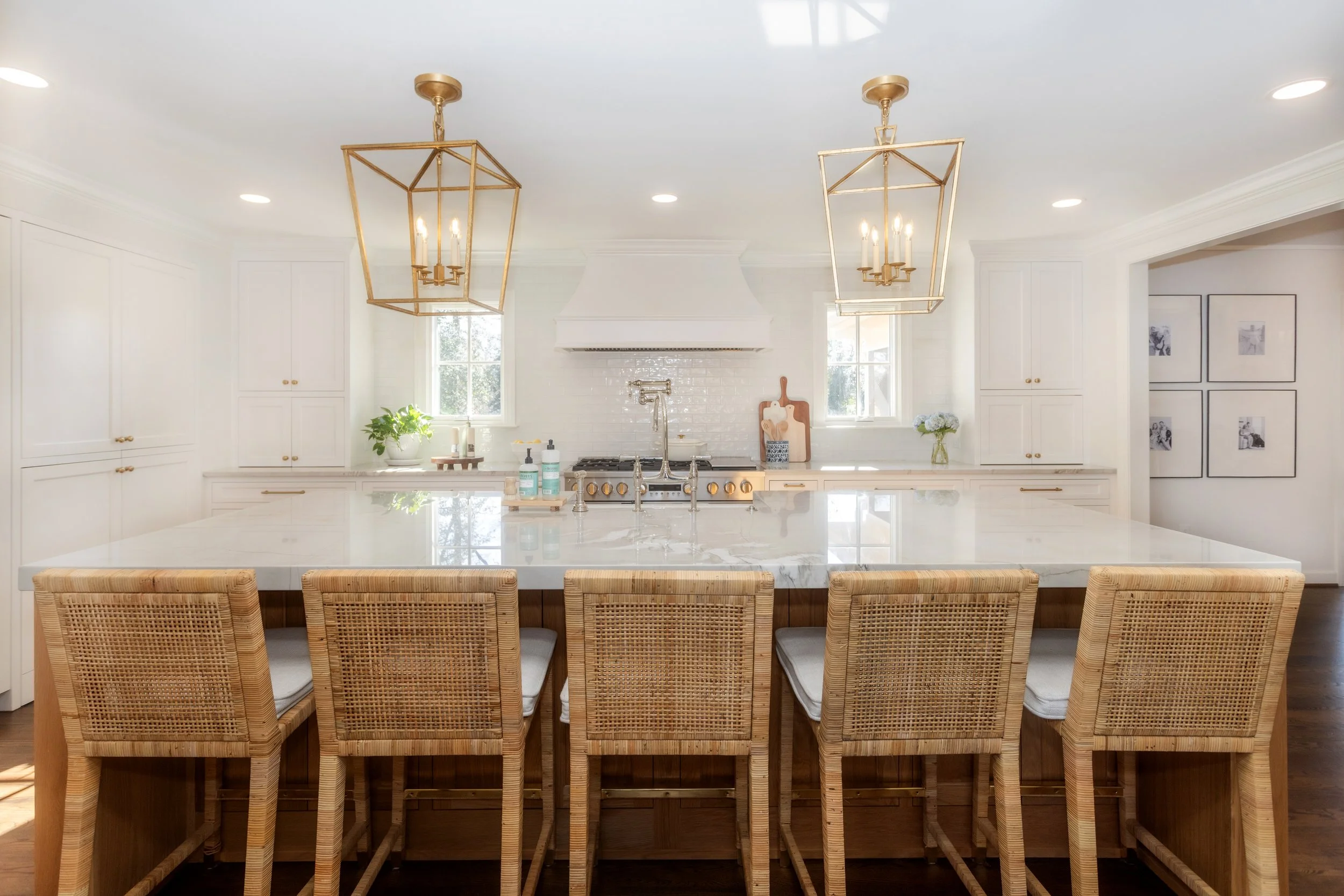
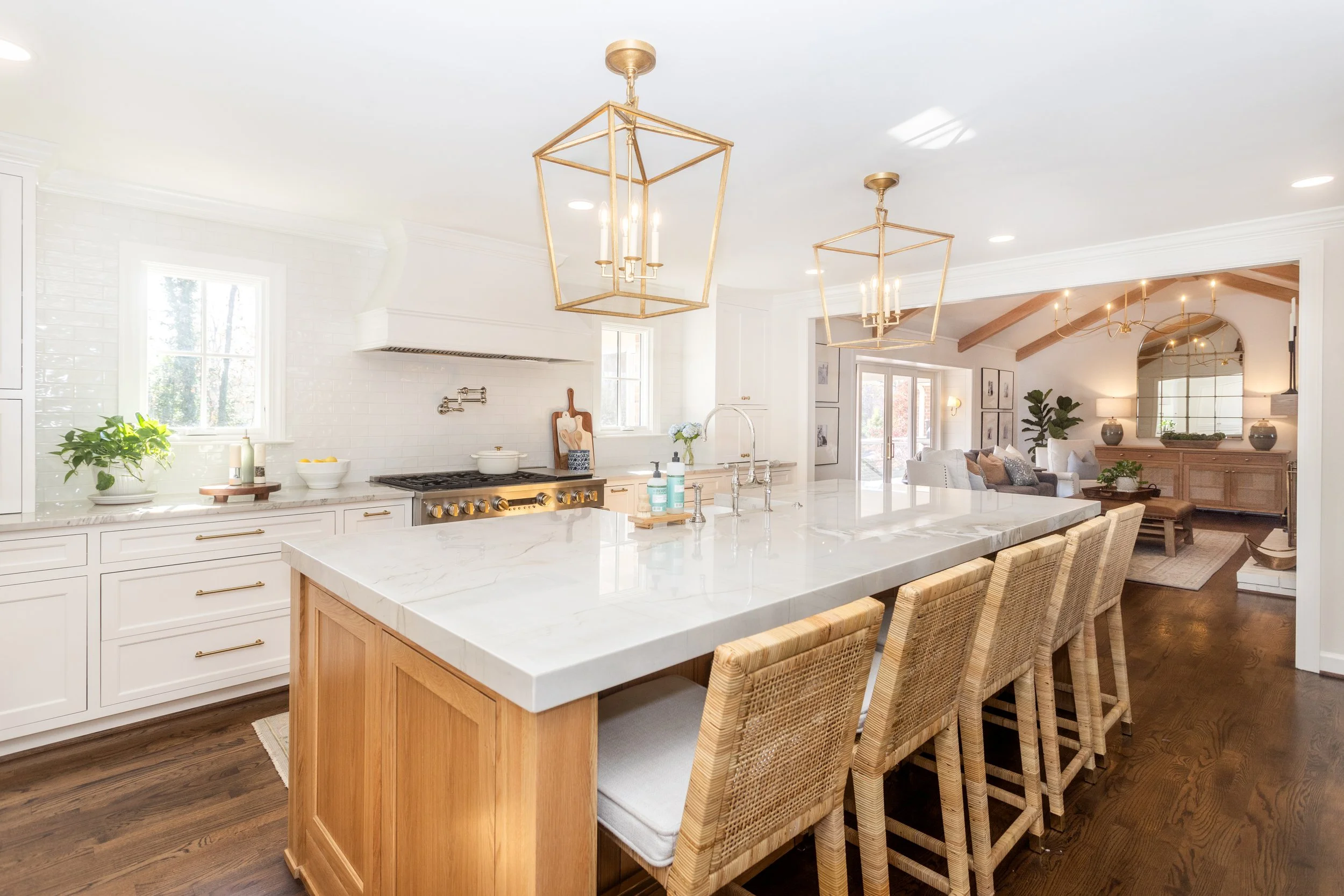
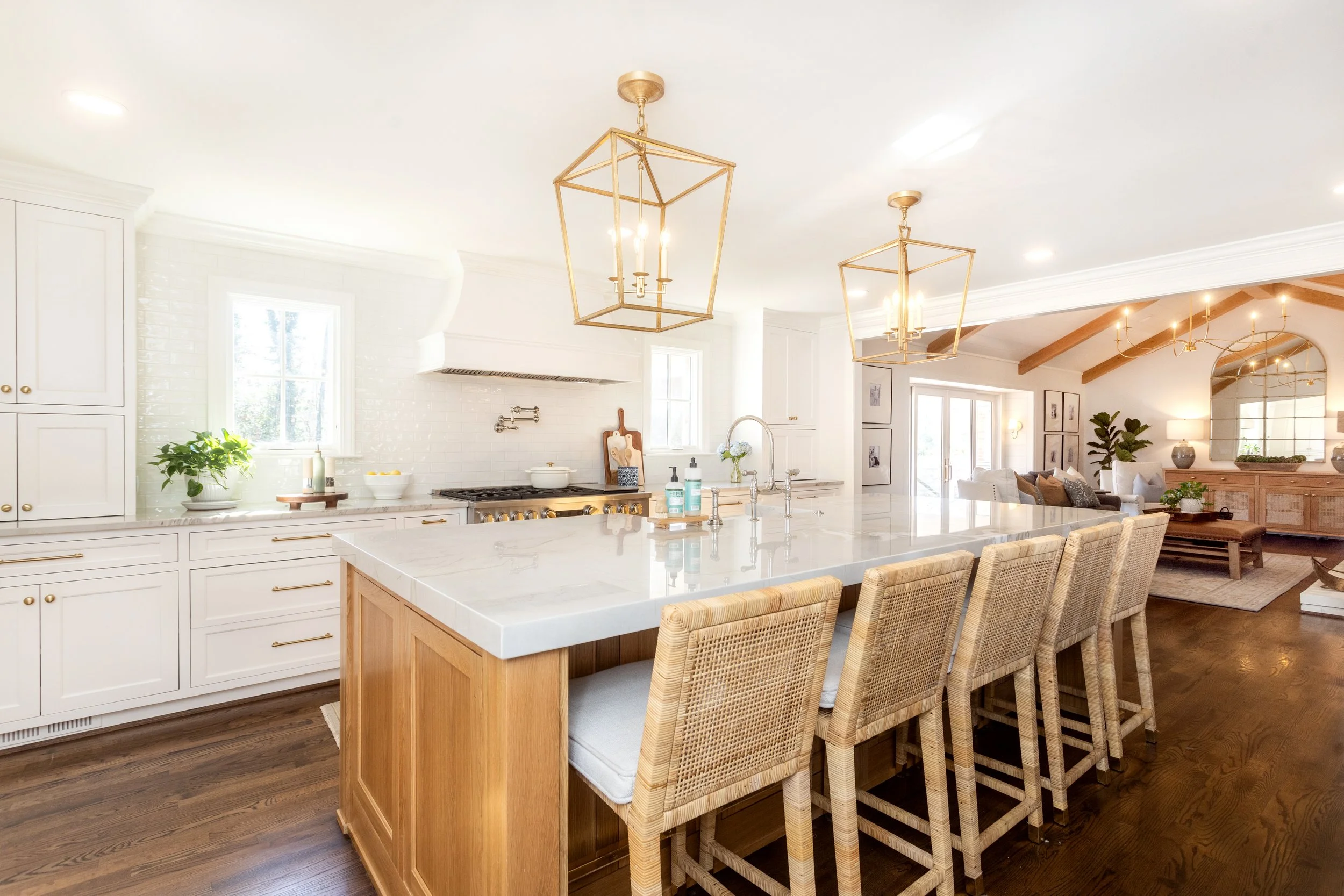
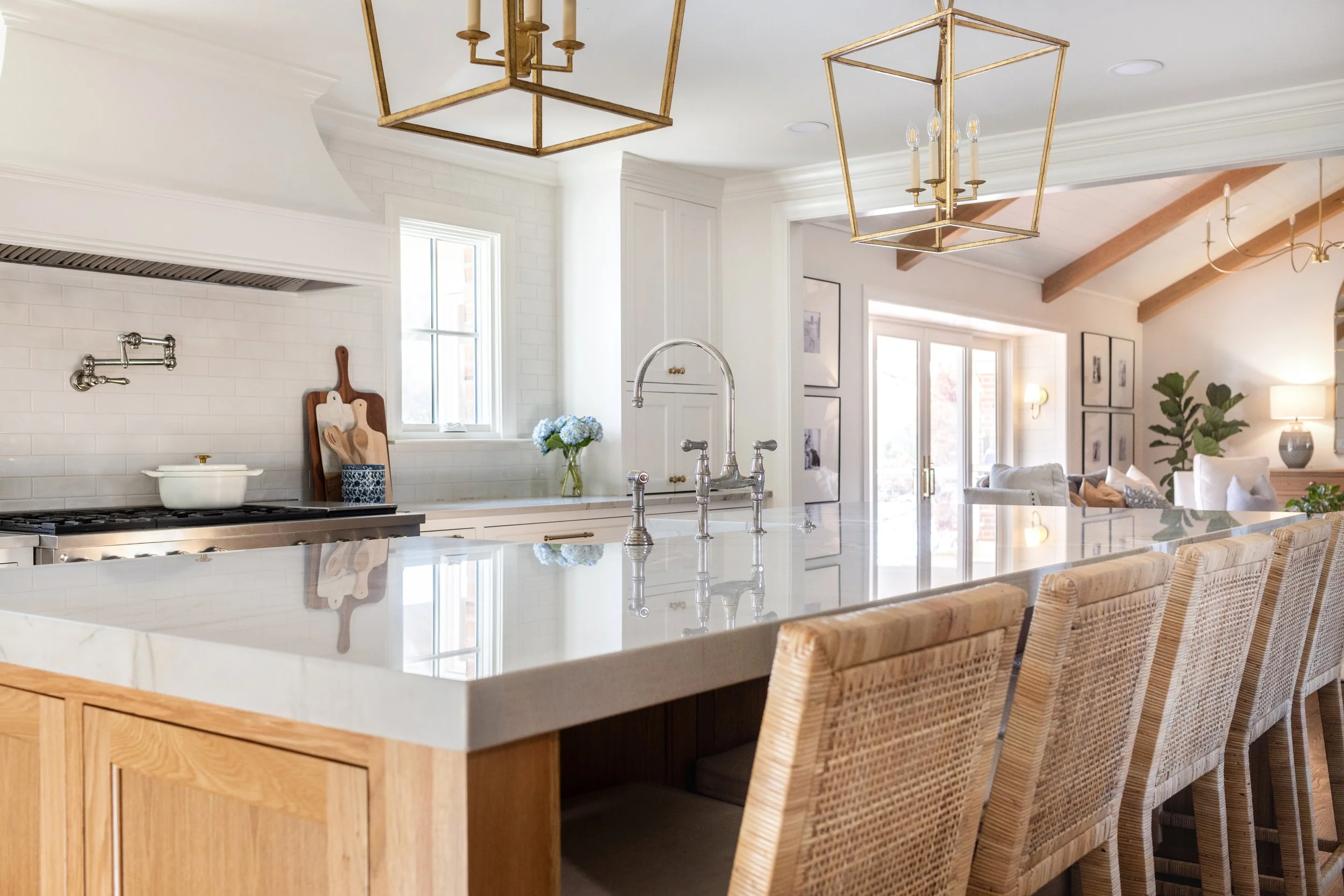
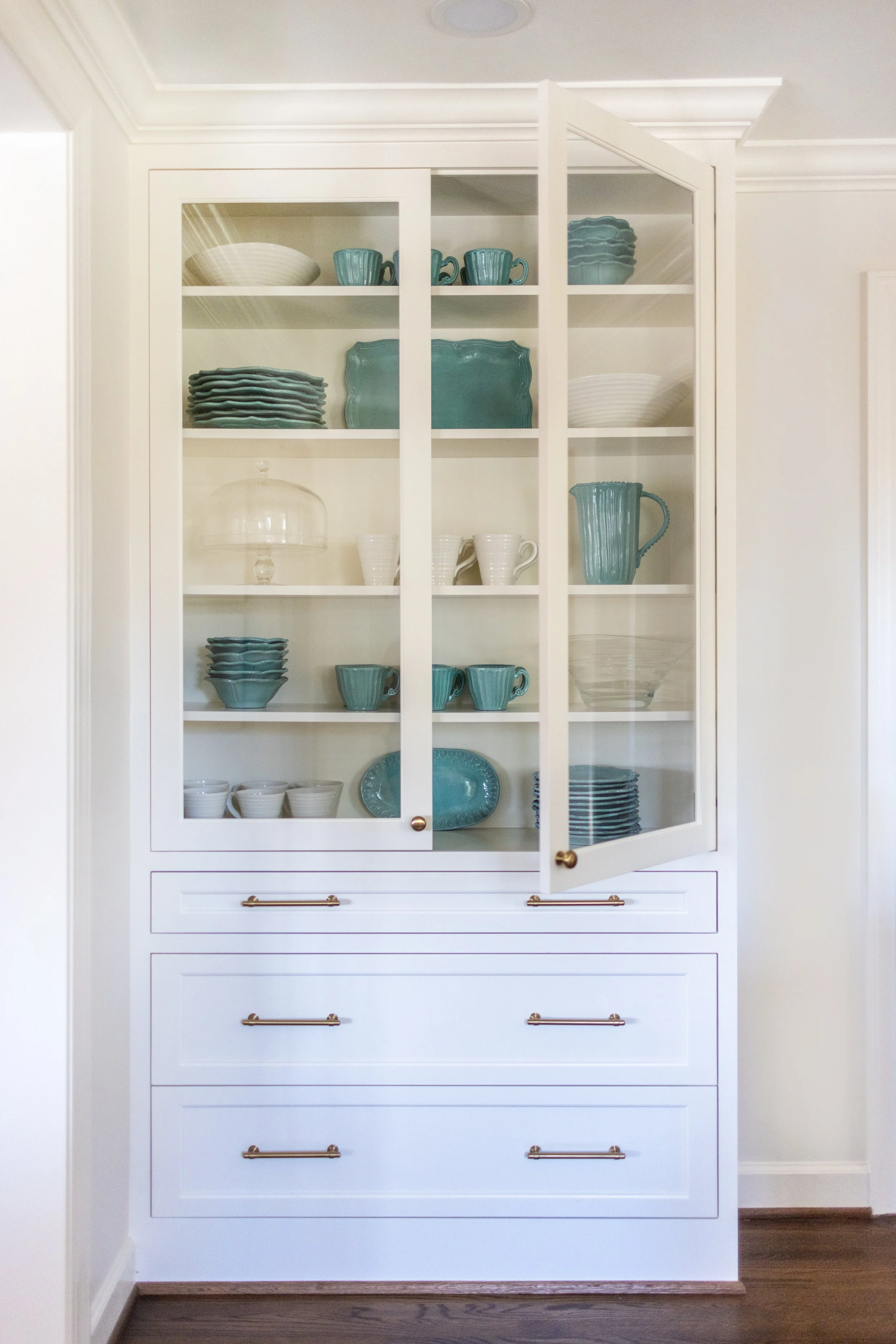
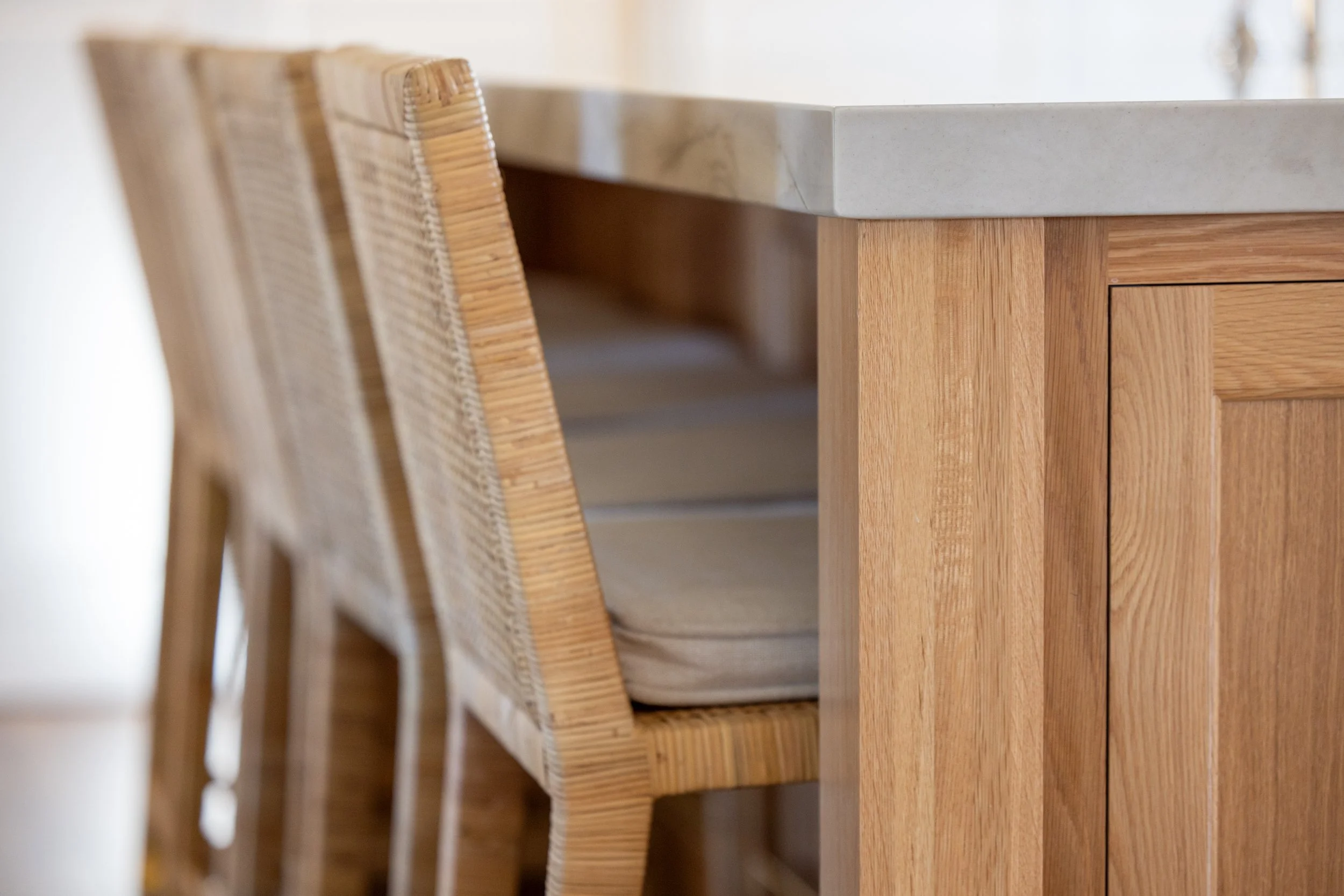
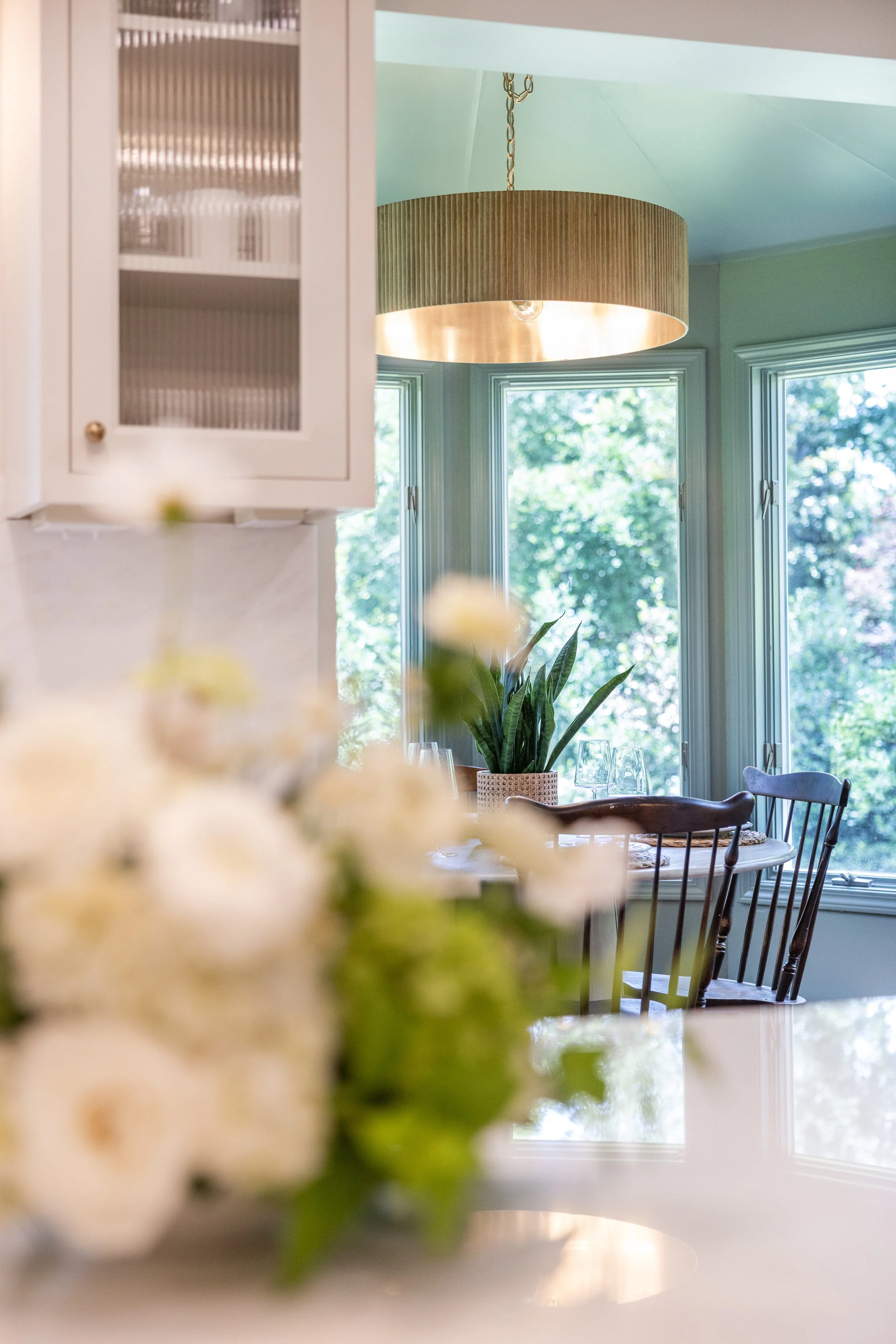
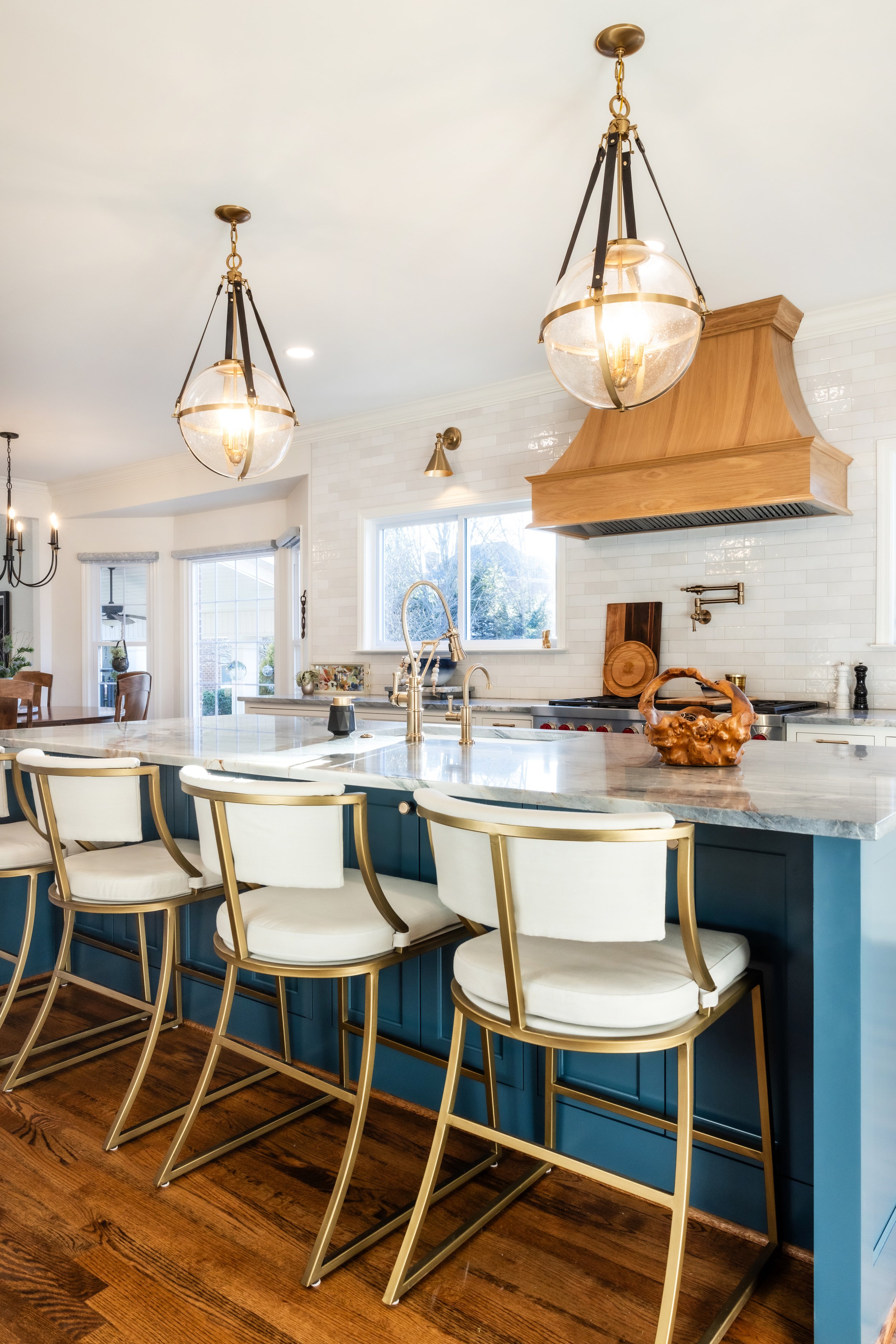
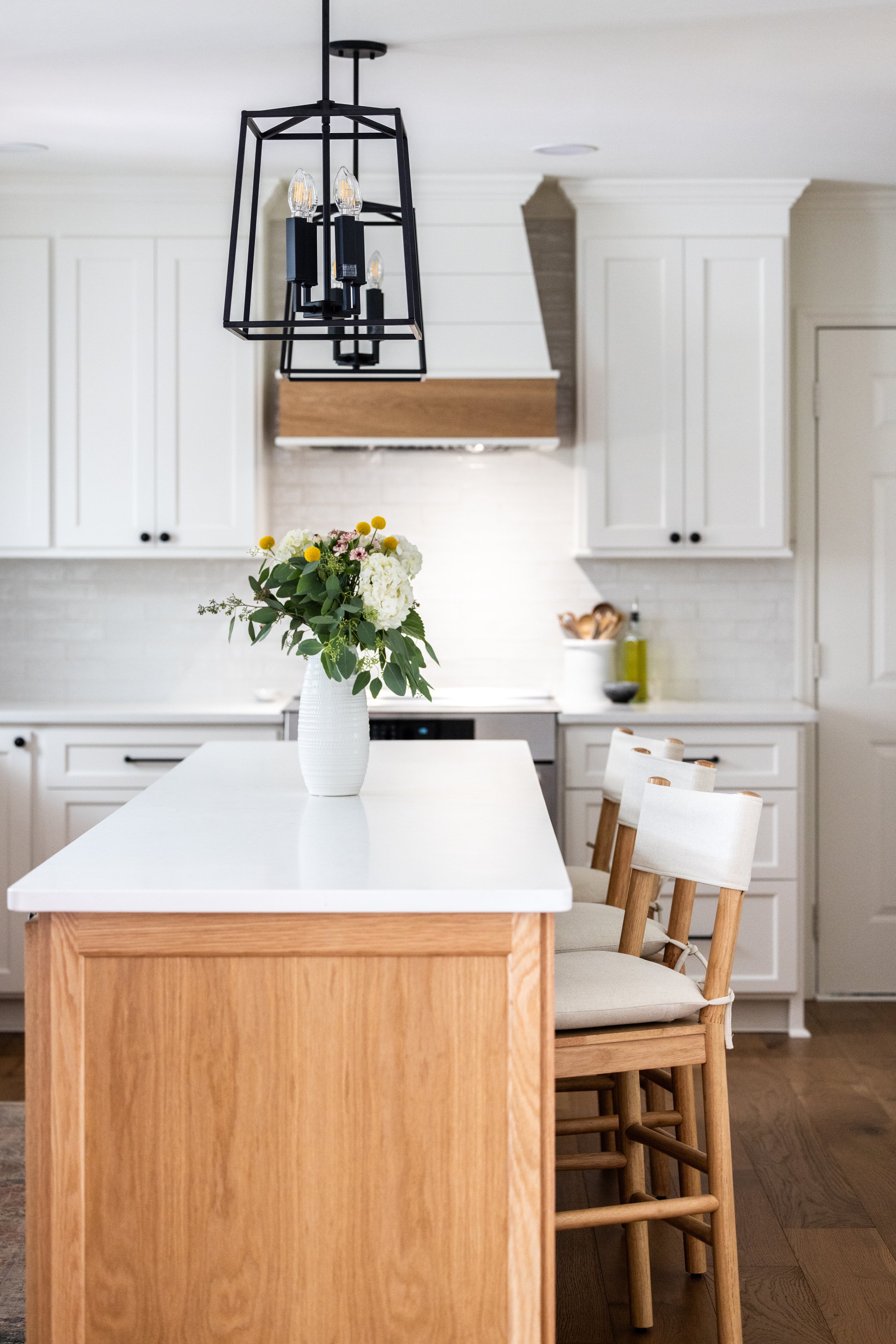
If you use brass in your lighting, consider incorporating it in hardware or barstool accents
If your faucet is matte black, echo that finish in cabinet pulls or decorative elements
This repetition ties the whole design together.
2. Consider Undertones and Materials
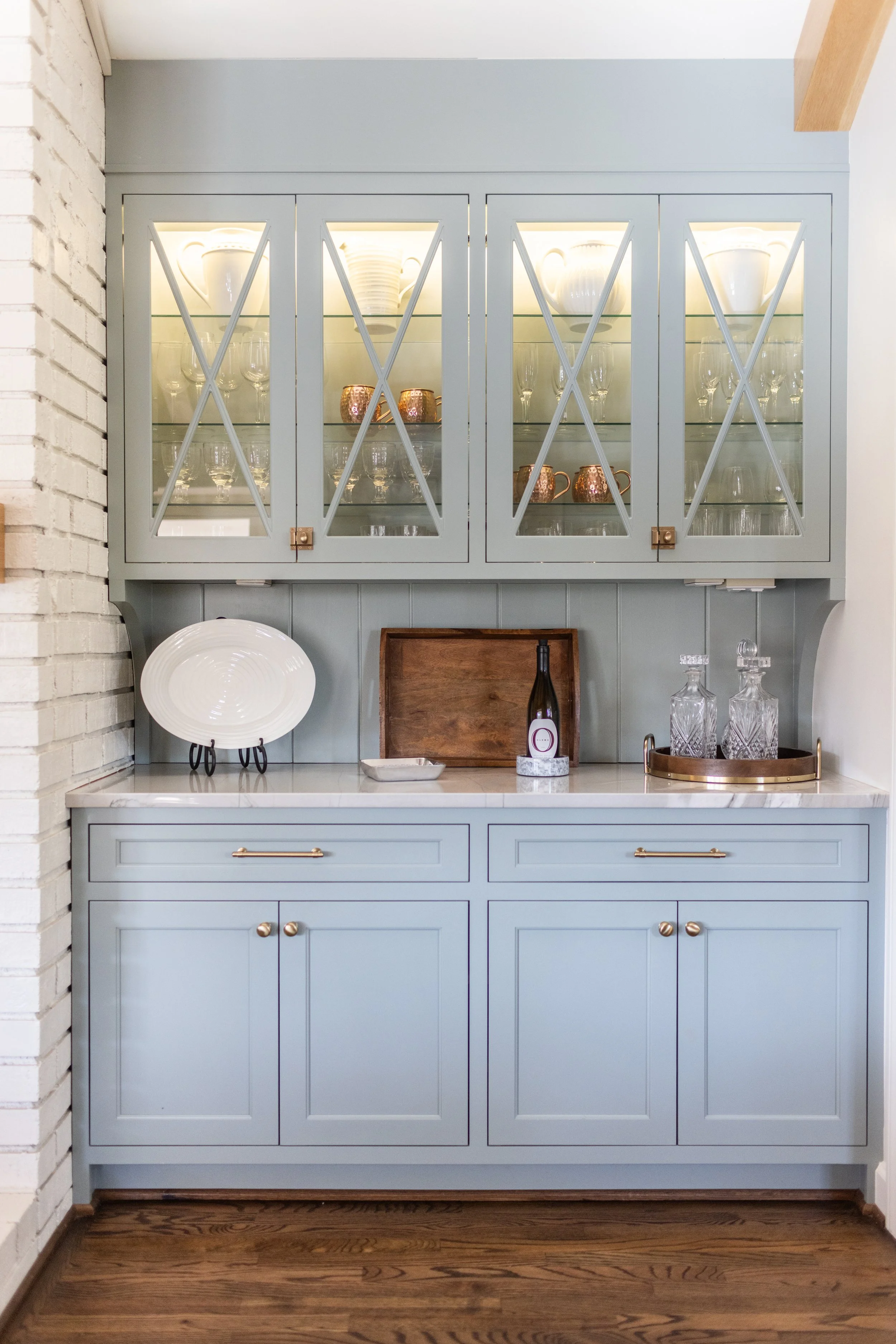
Pay attention to the undertones in your kitchen. Warm elements like wood cabinetry pair well with brass or gold, while cooler palettes (white, gray, or blue) tend to work best with chrome or nickel.
Mixing warm and cool metals can be beautiful—but one should clearly lead, especially when following the 70/30 rule.
3. Balance Style with Function
Beyond aesthetics, think about durability and maintenance. Some finishes show fingerprints and water spots more than others. Choosing the right materials for your lifestyle is just as important as choosing the right look.
Remodel Gallery
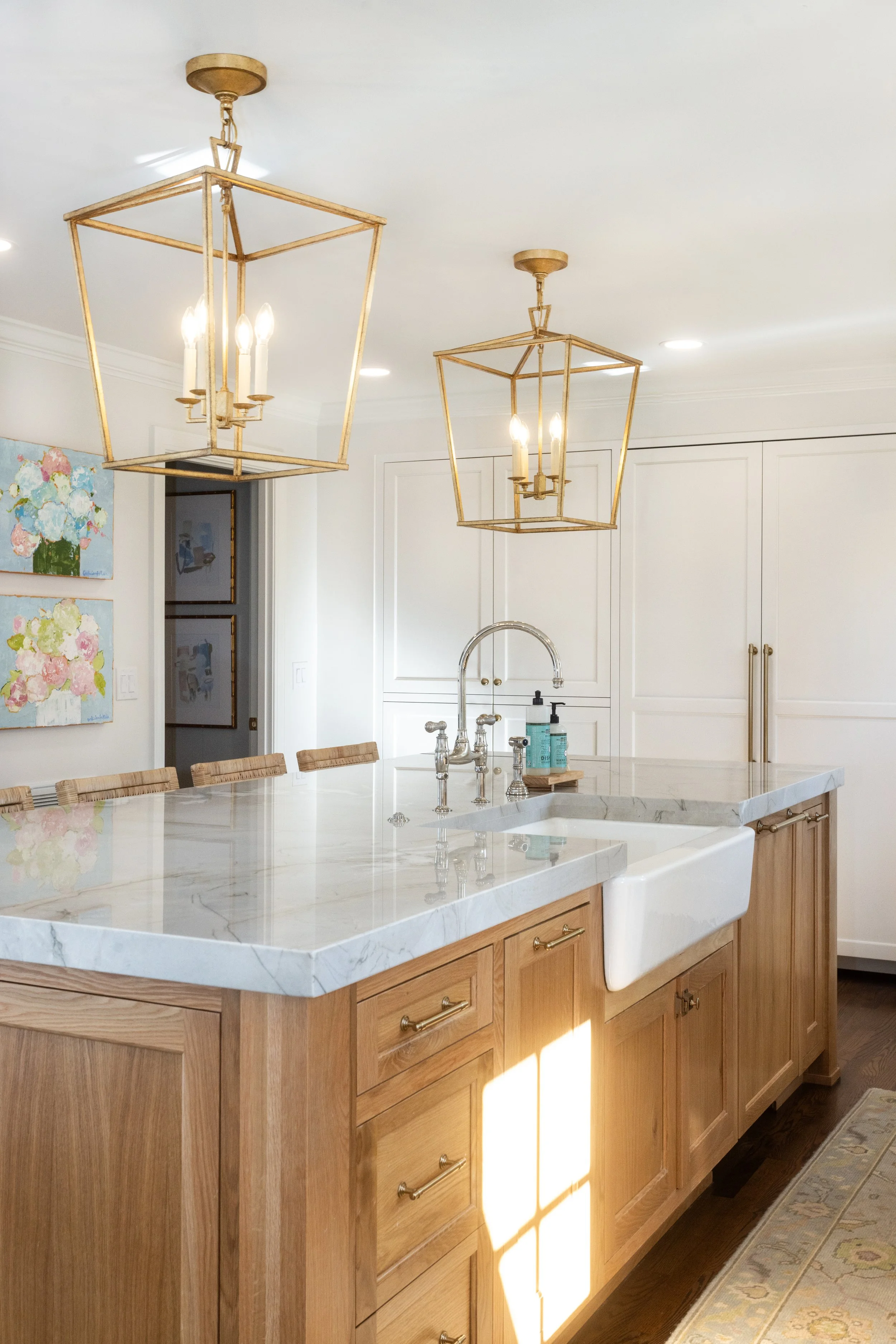
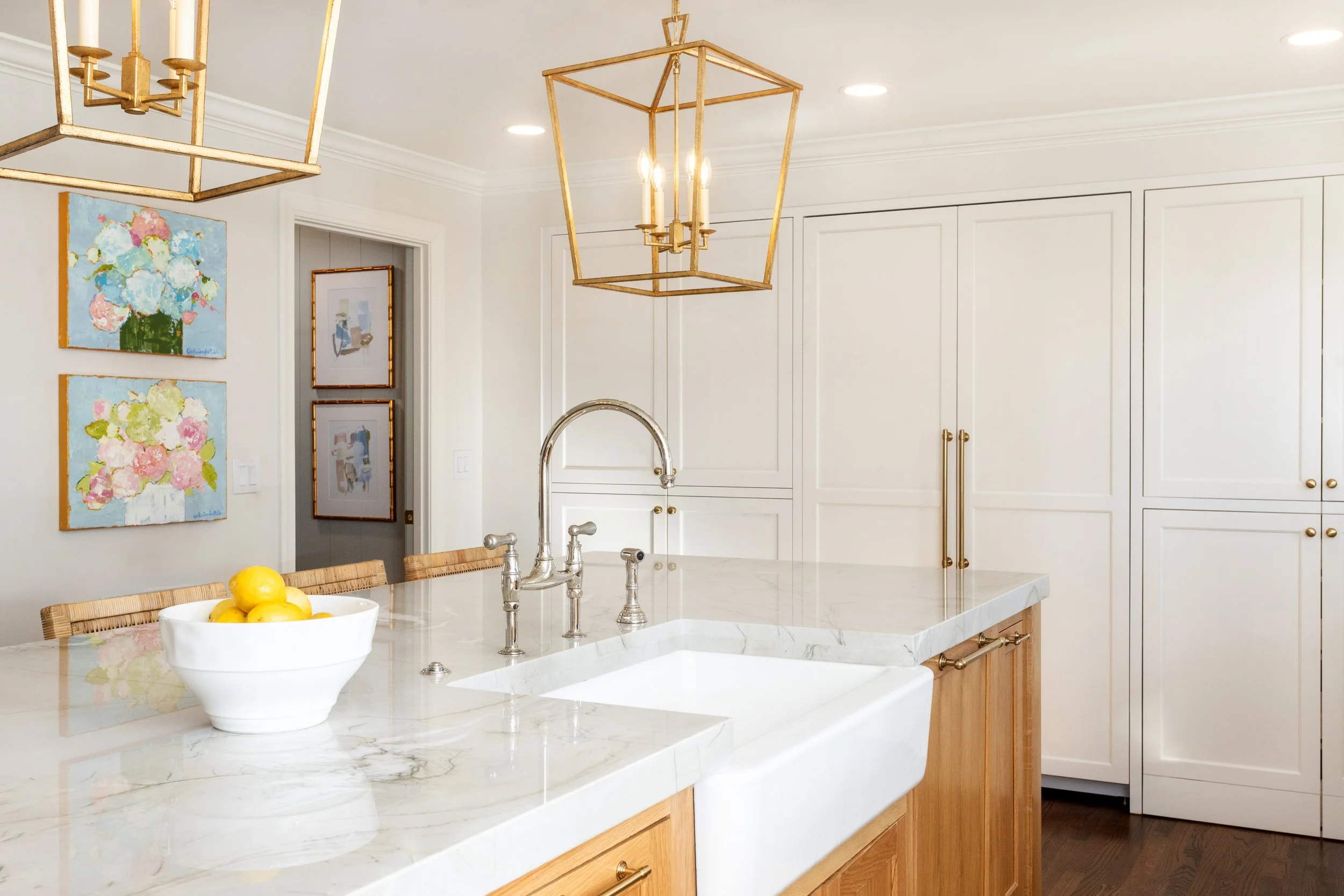
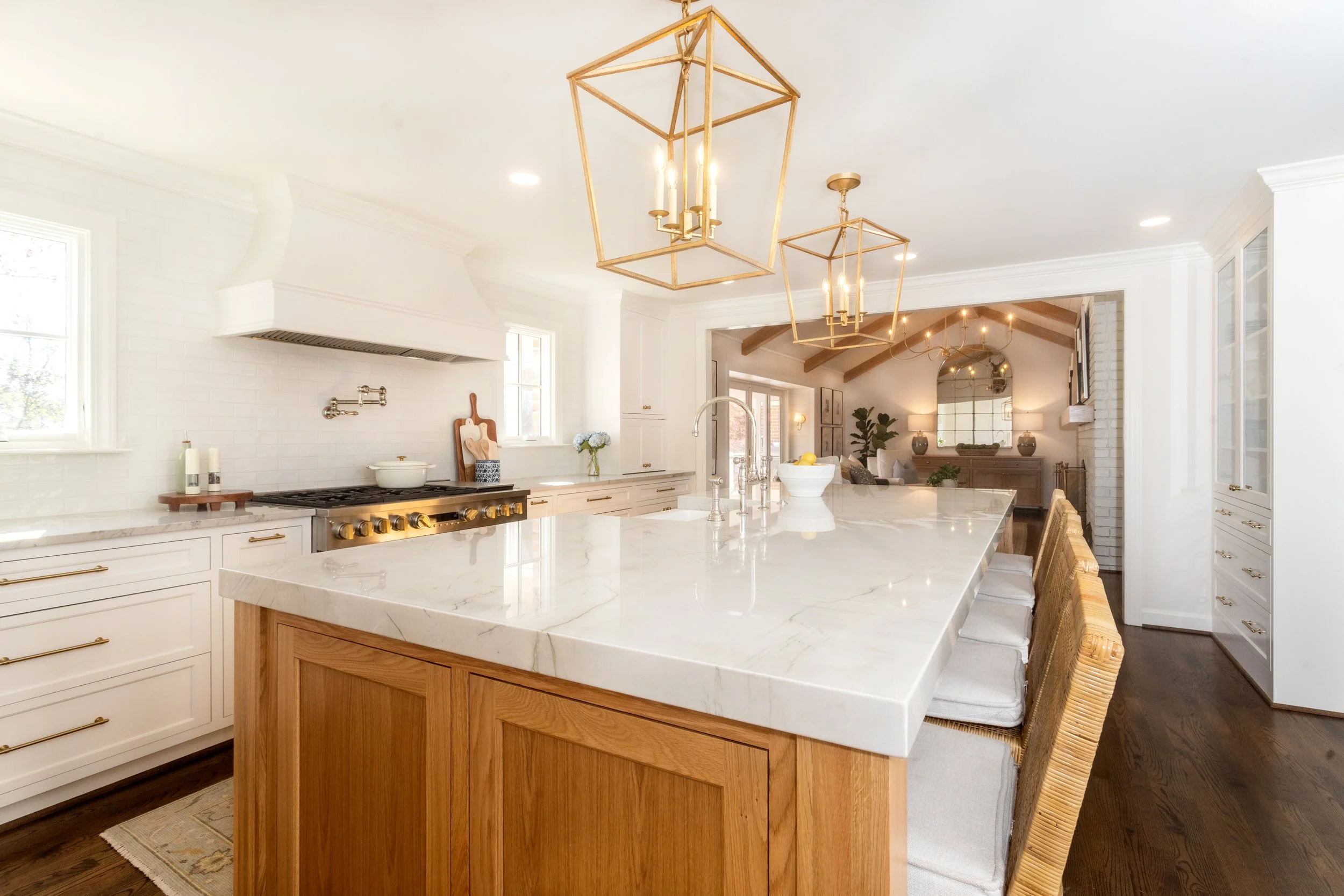
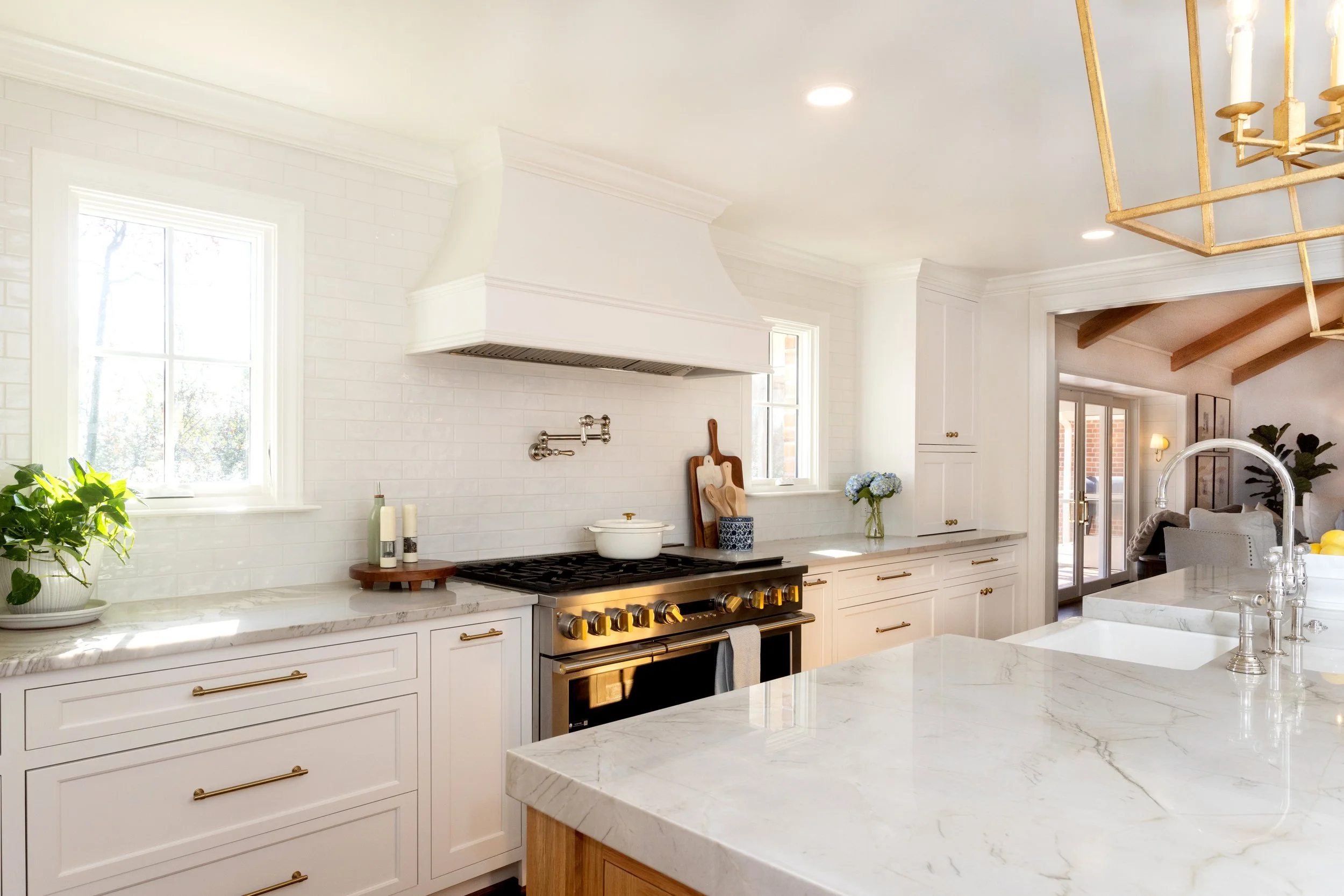
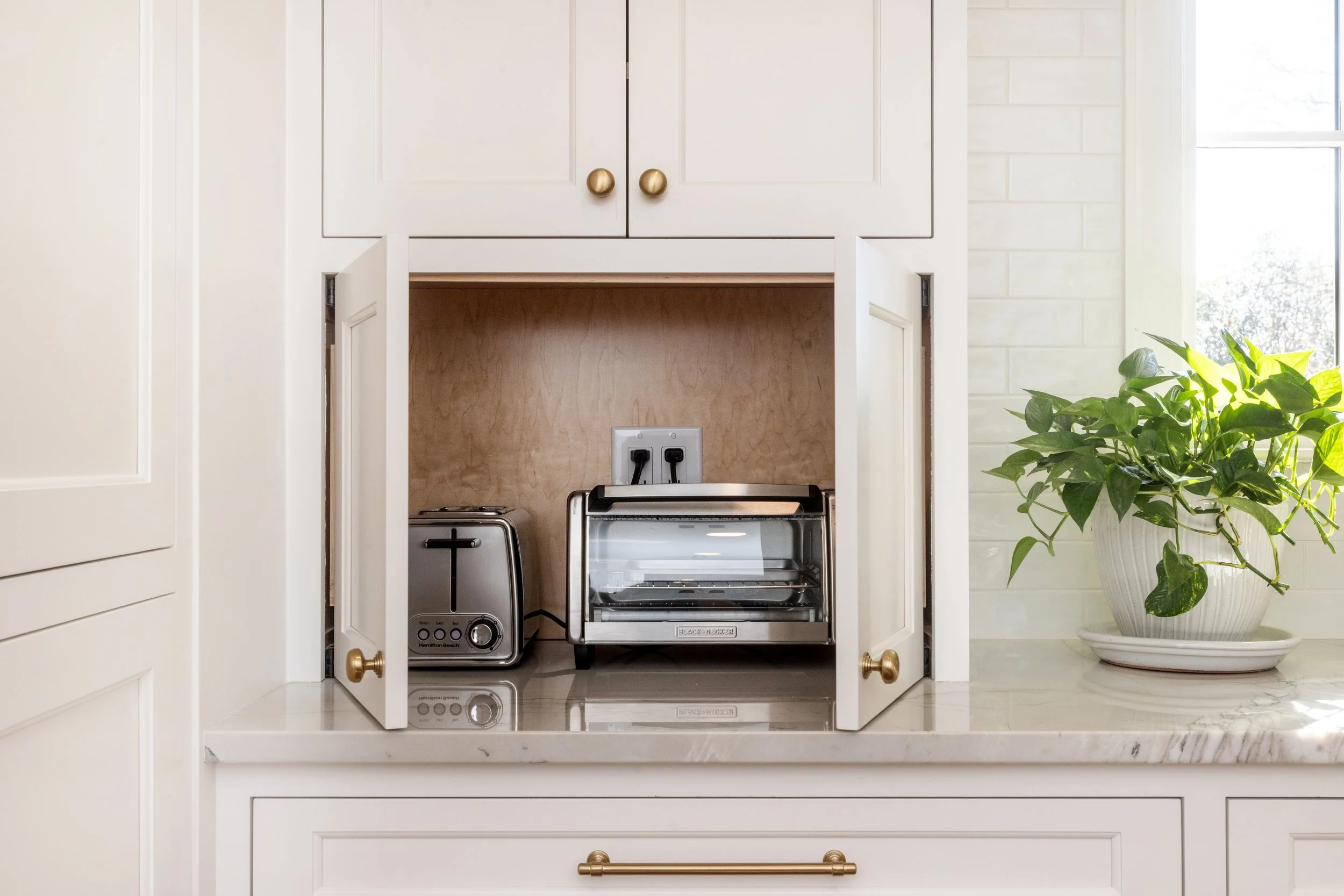
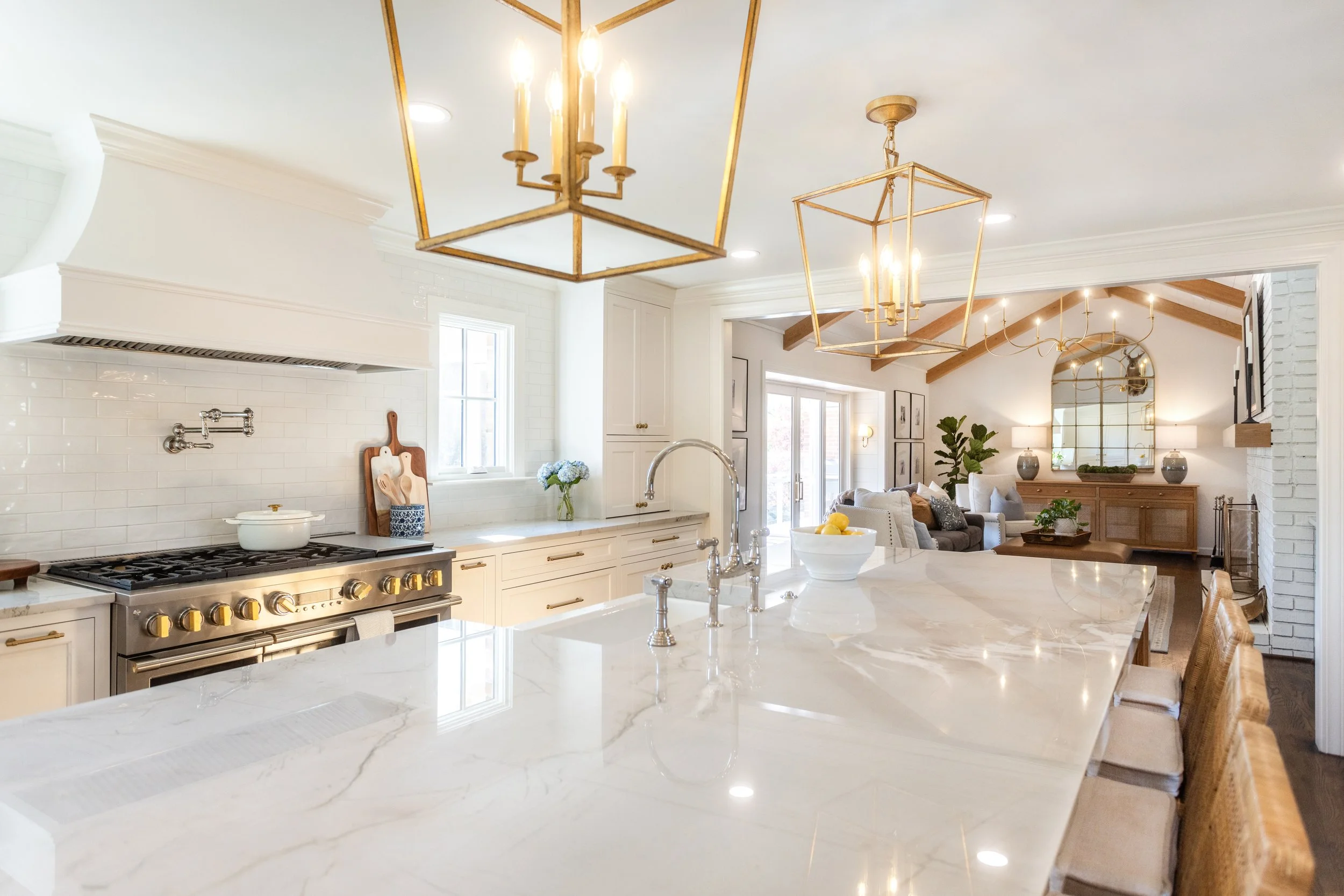
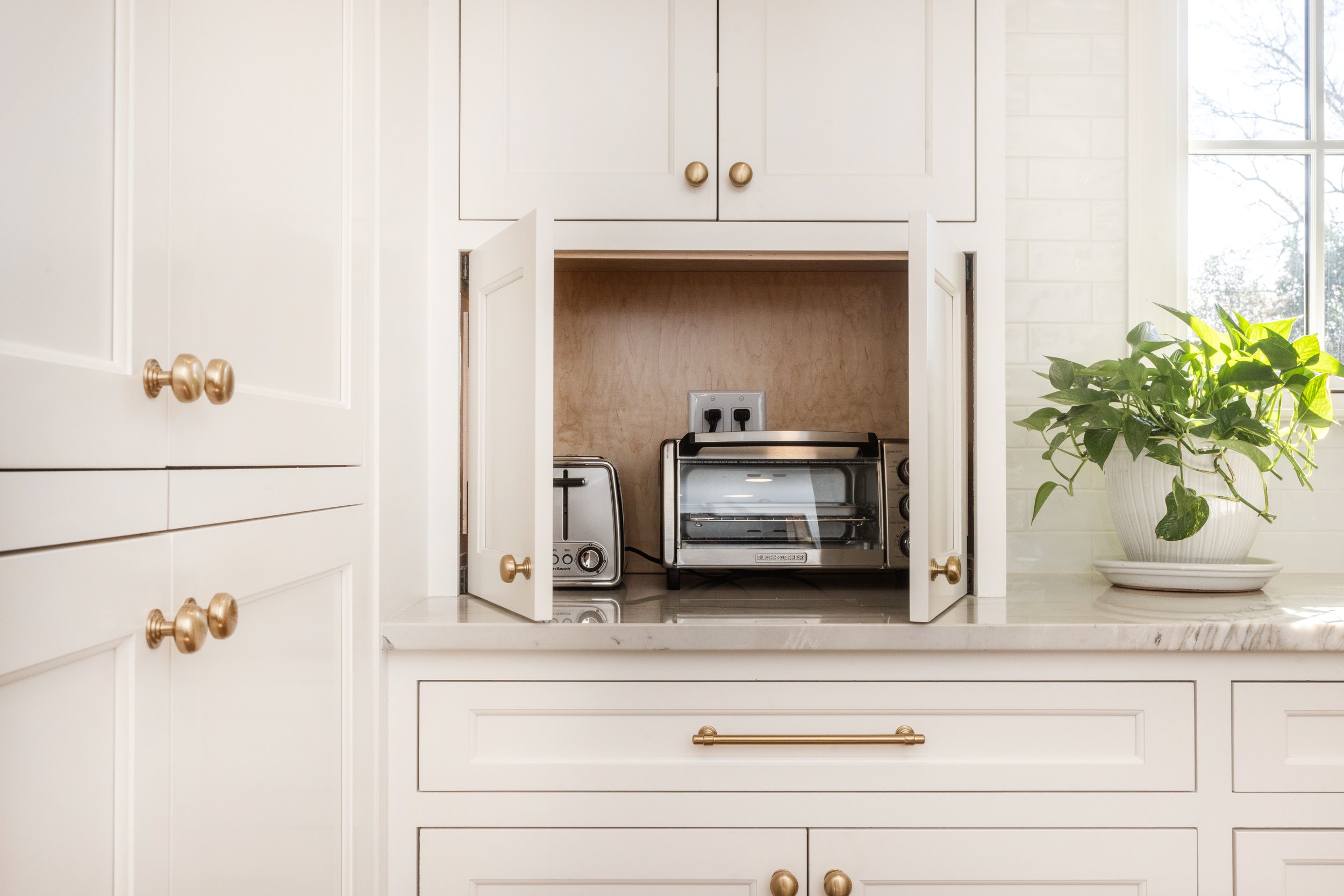
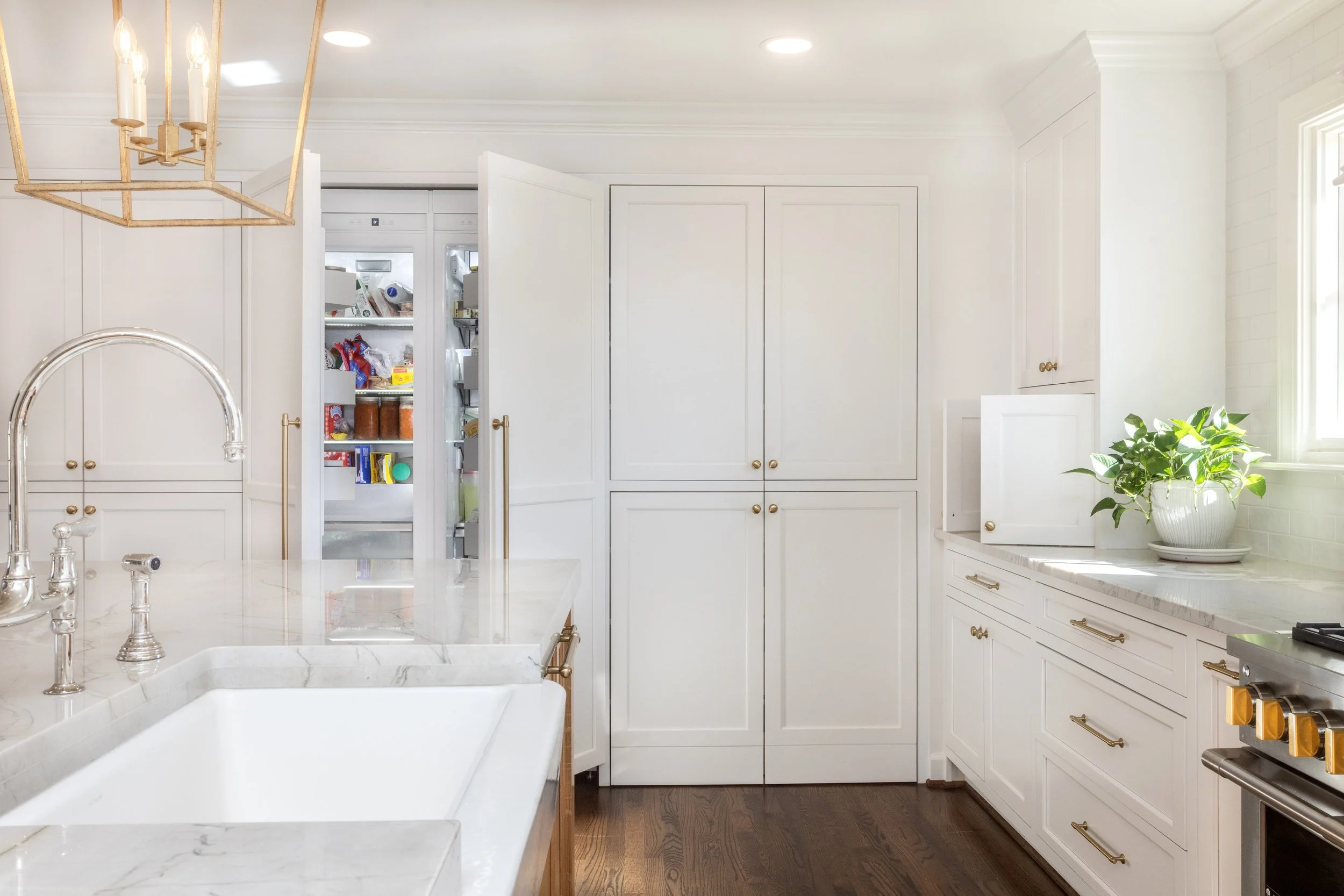
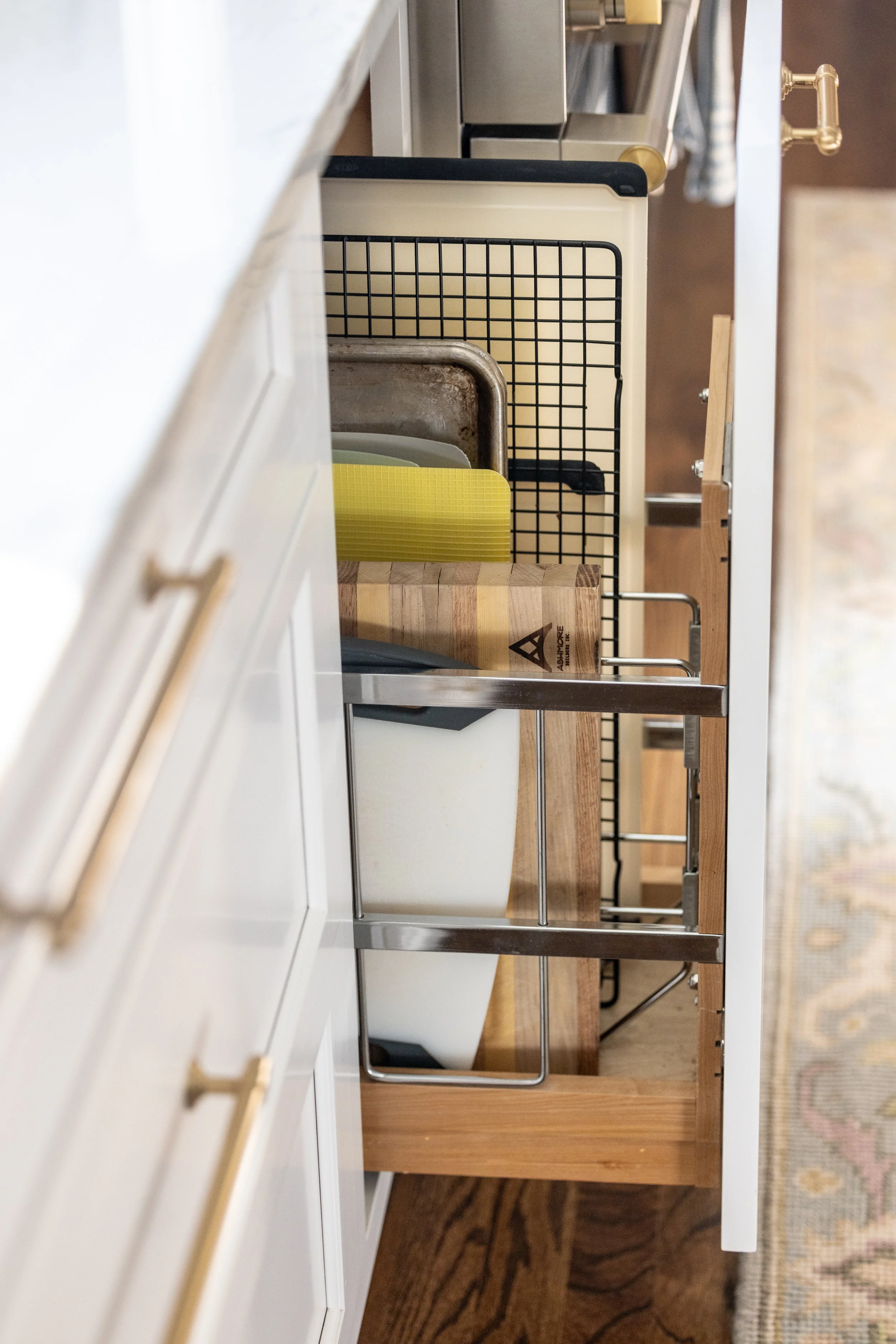
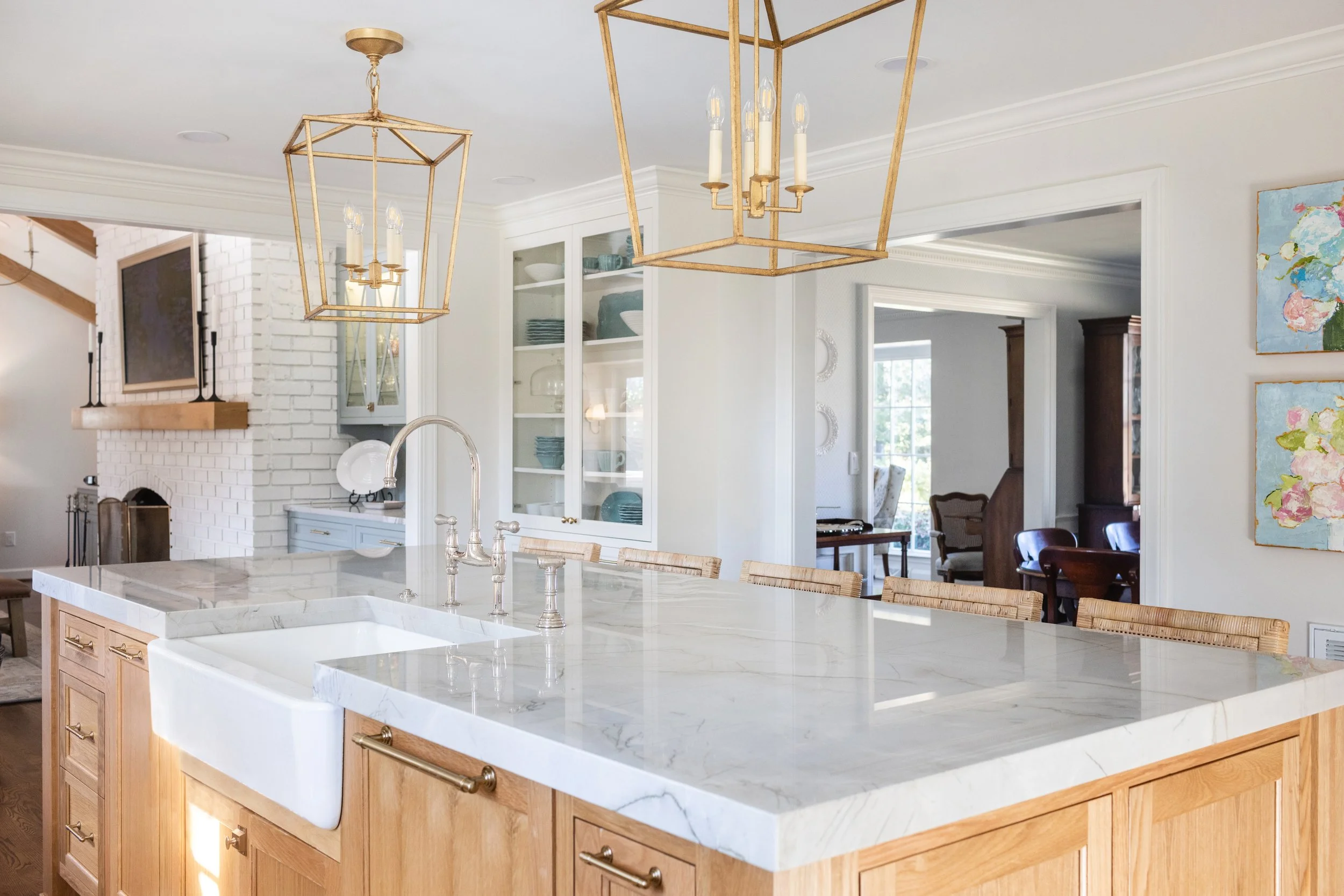
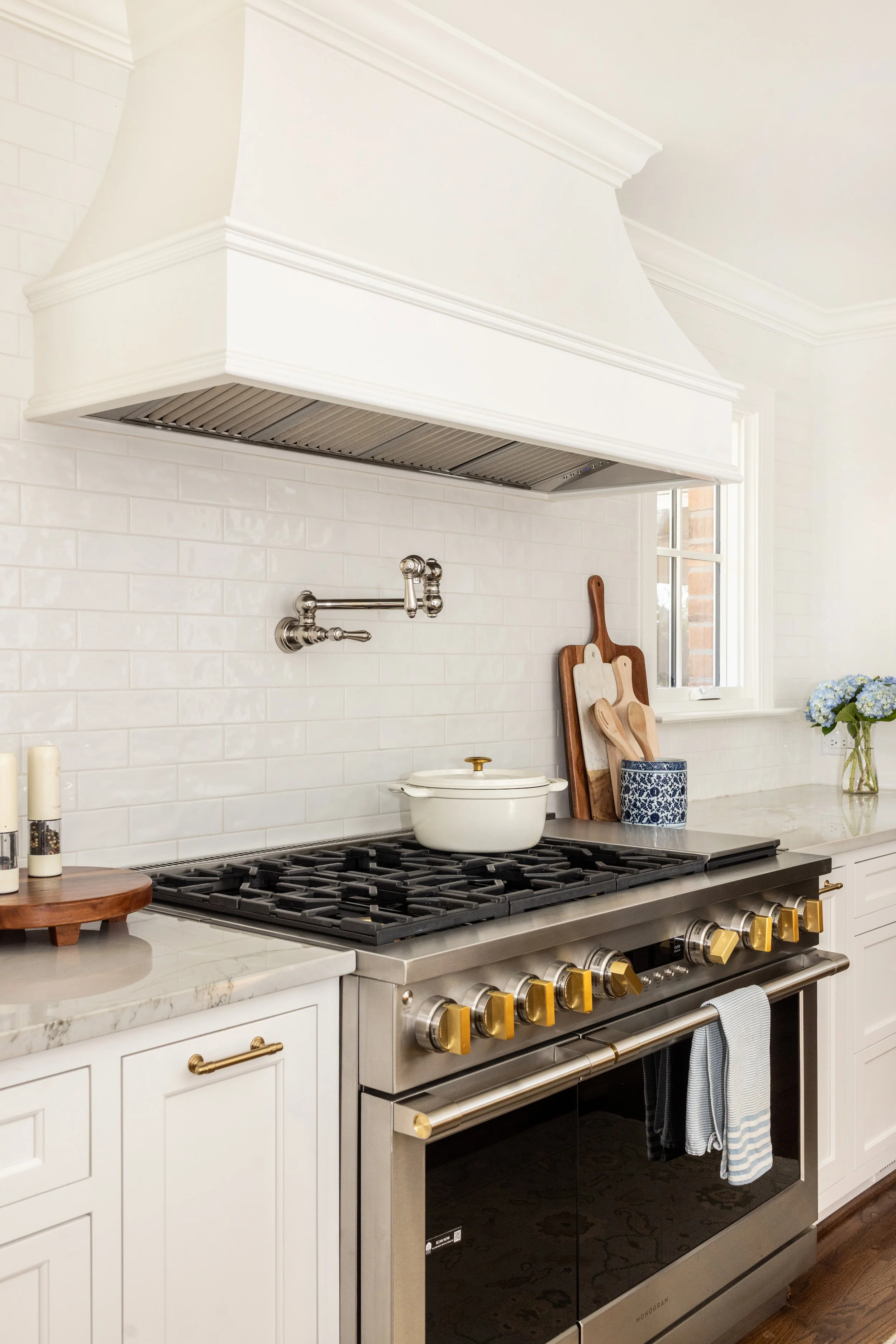
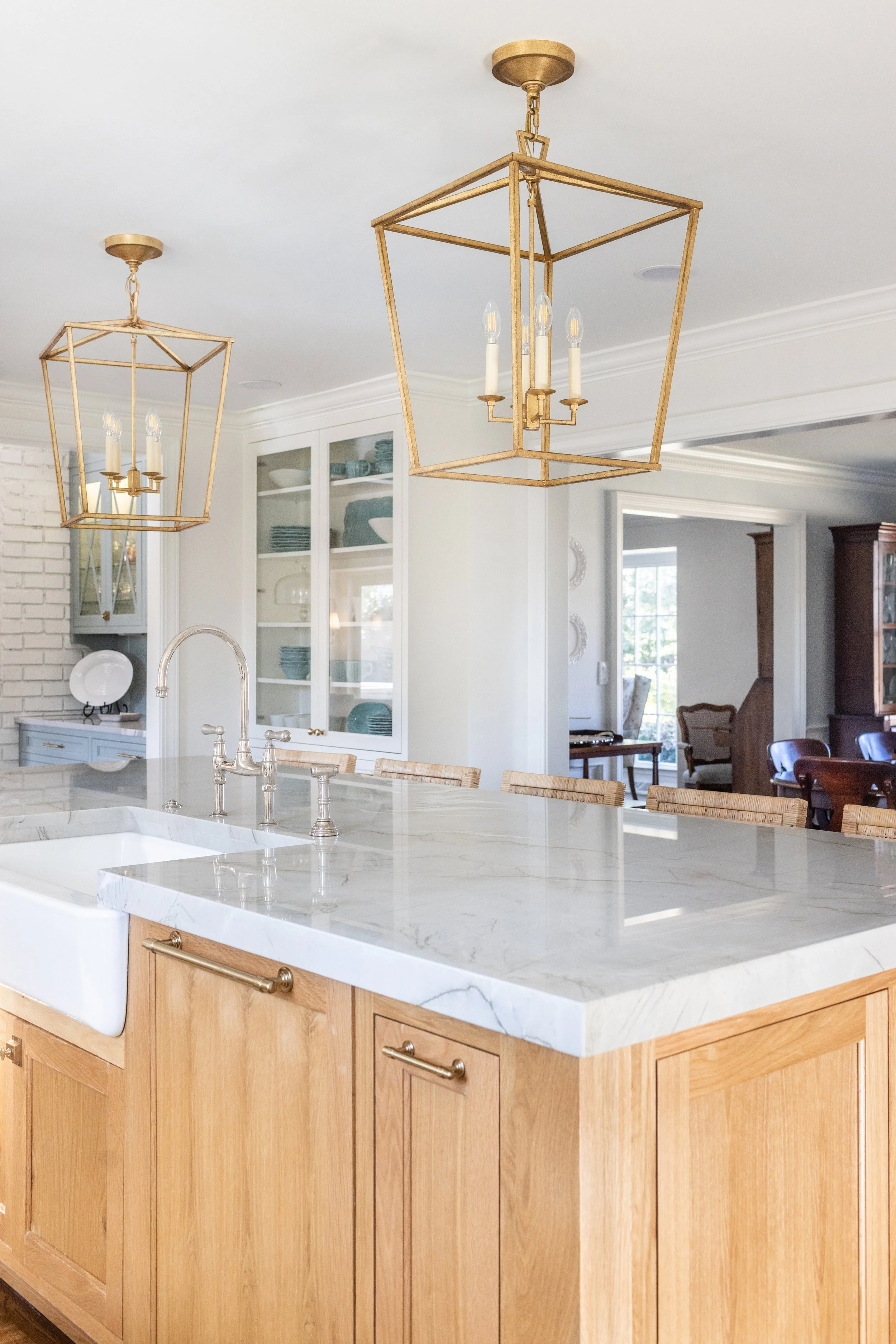
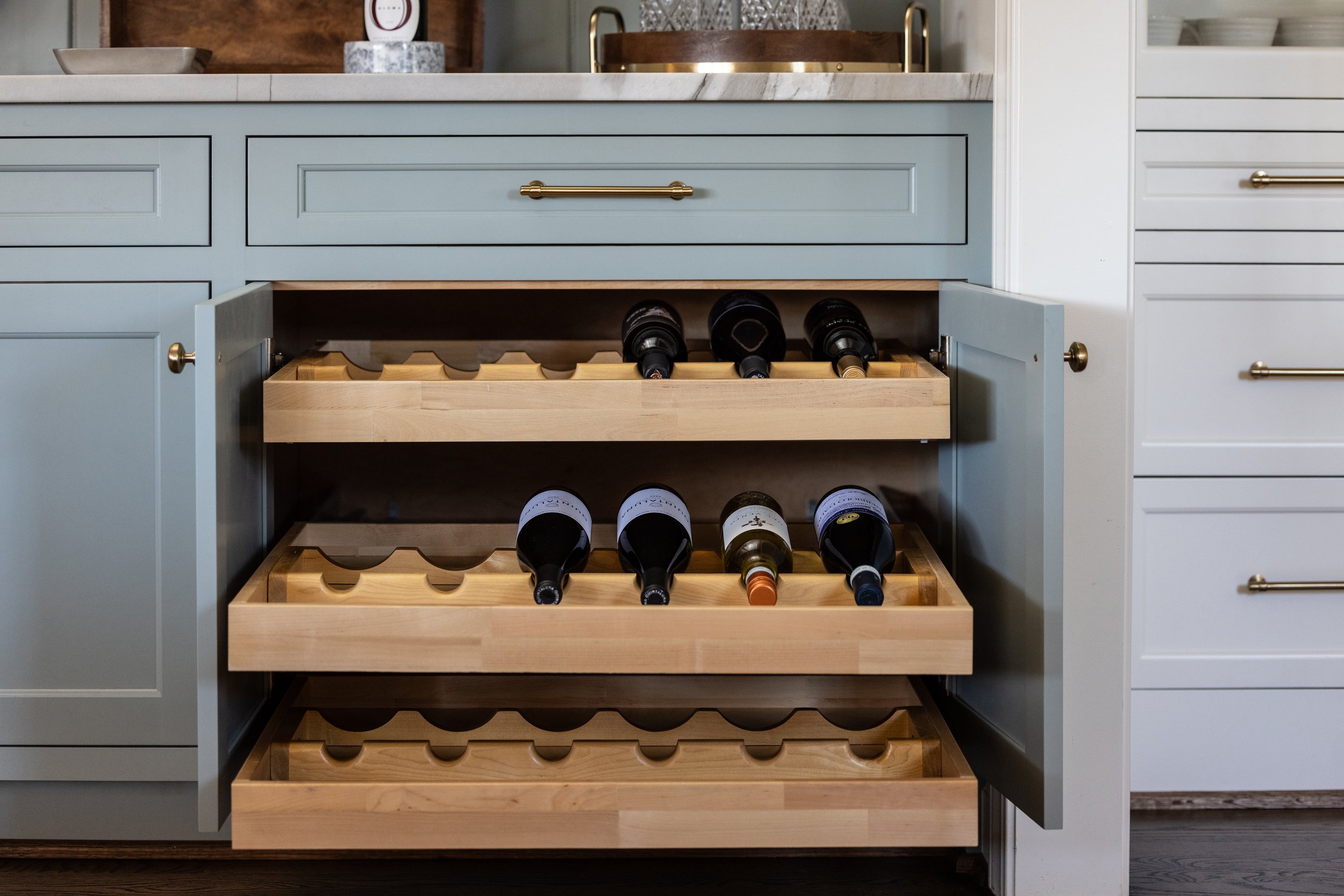
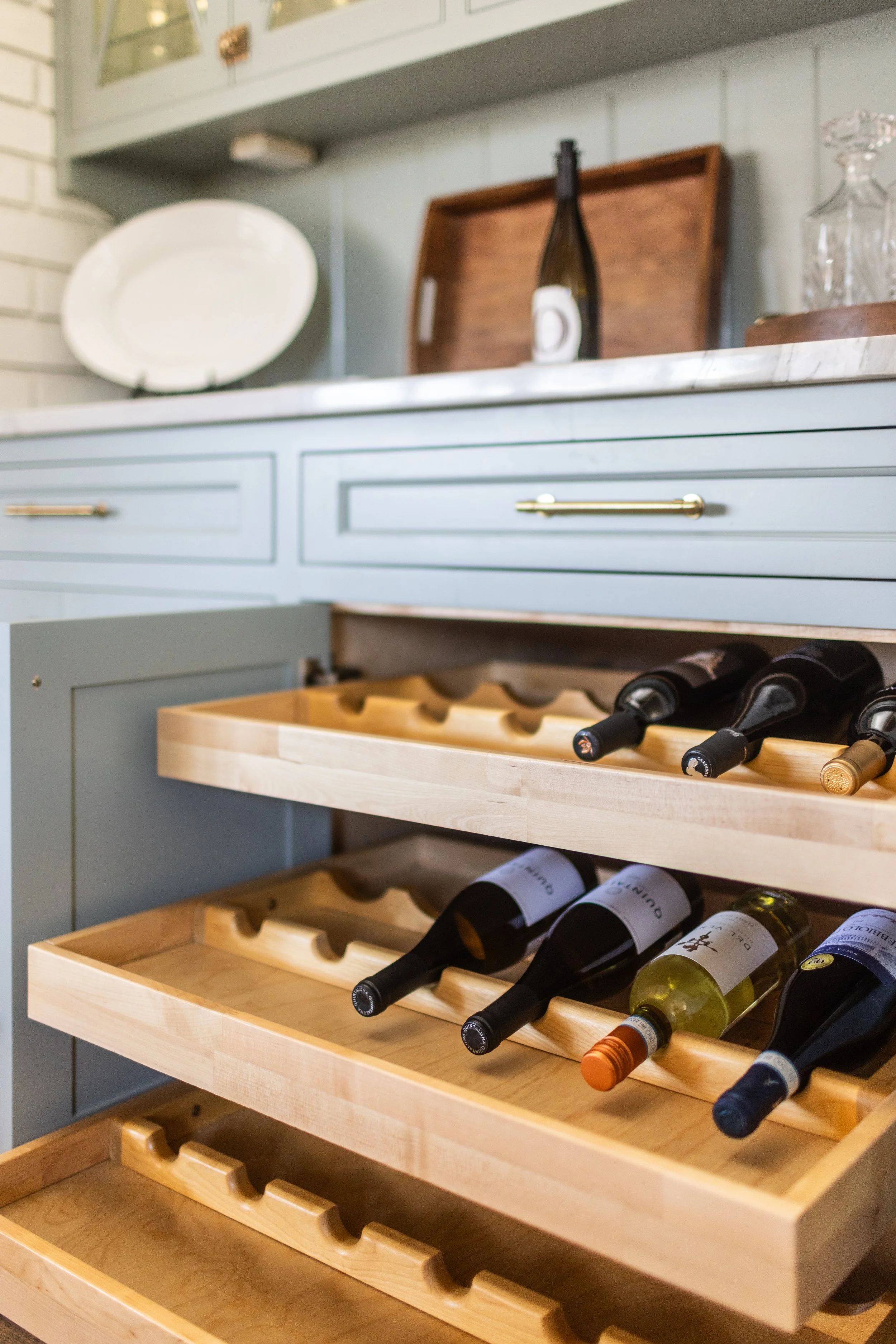
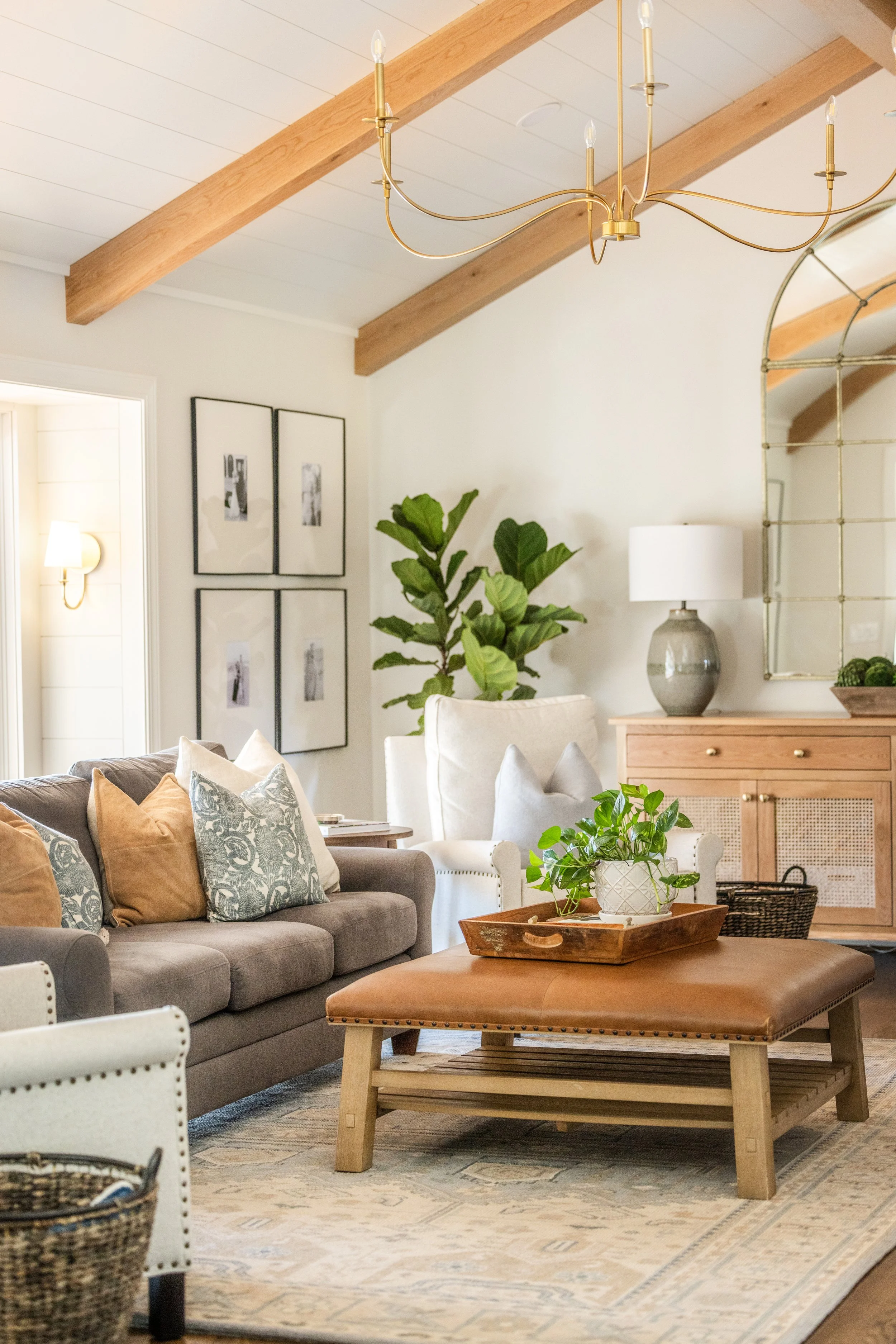
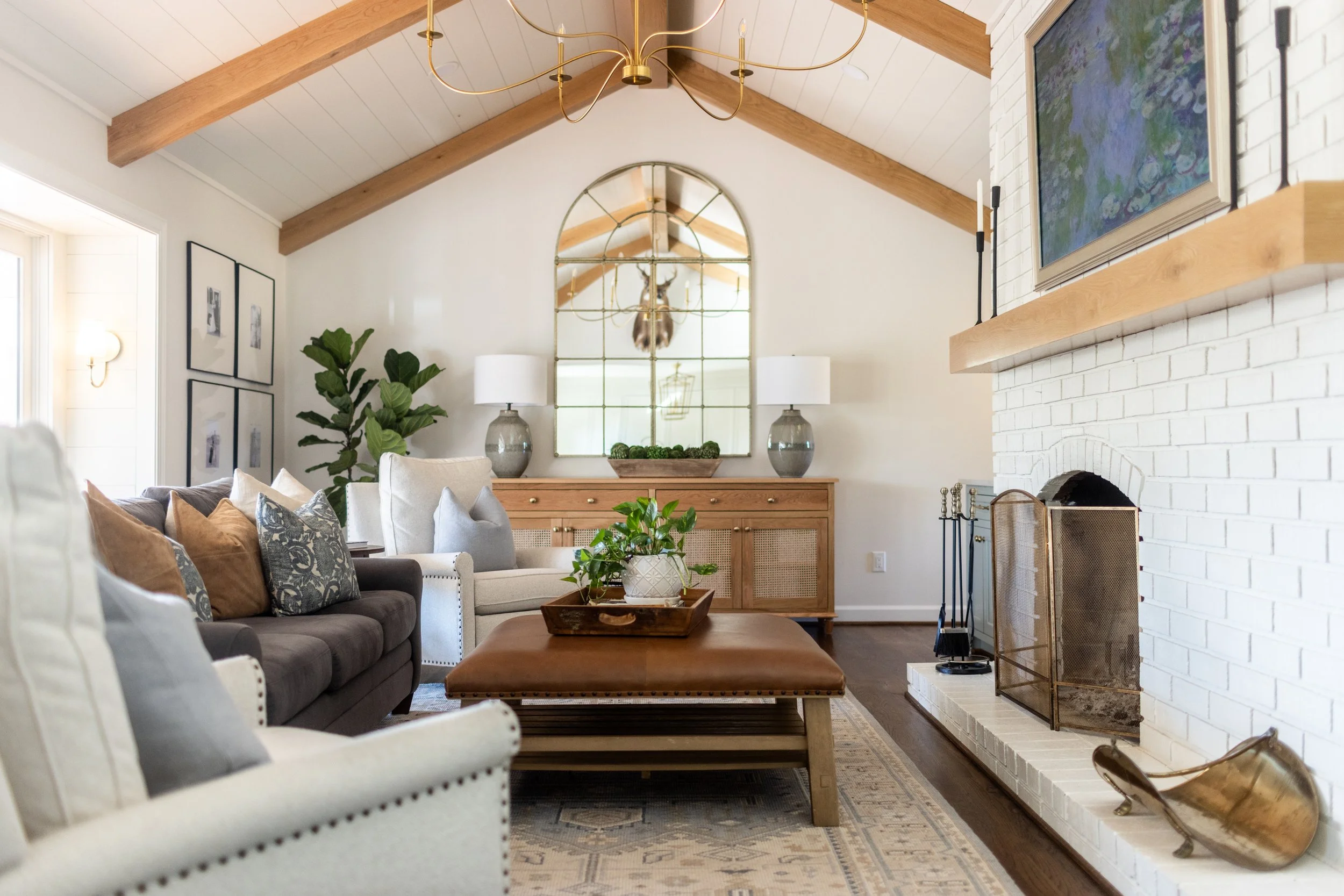
Before & After
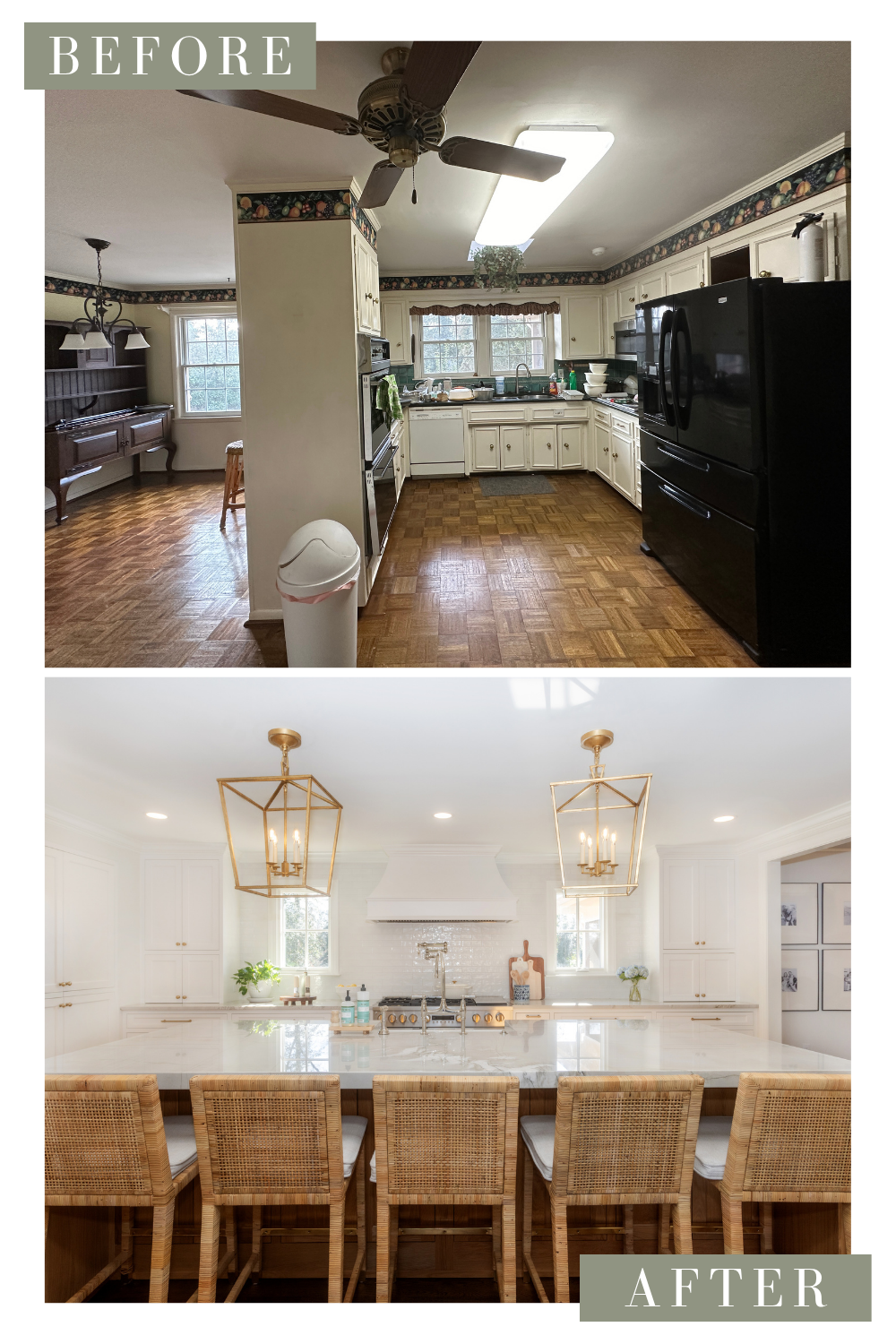
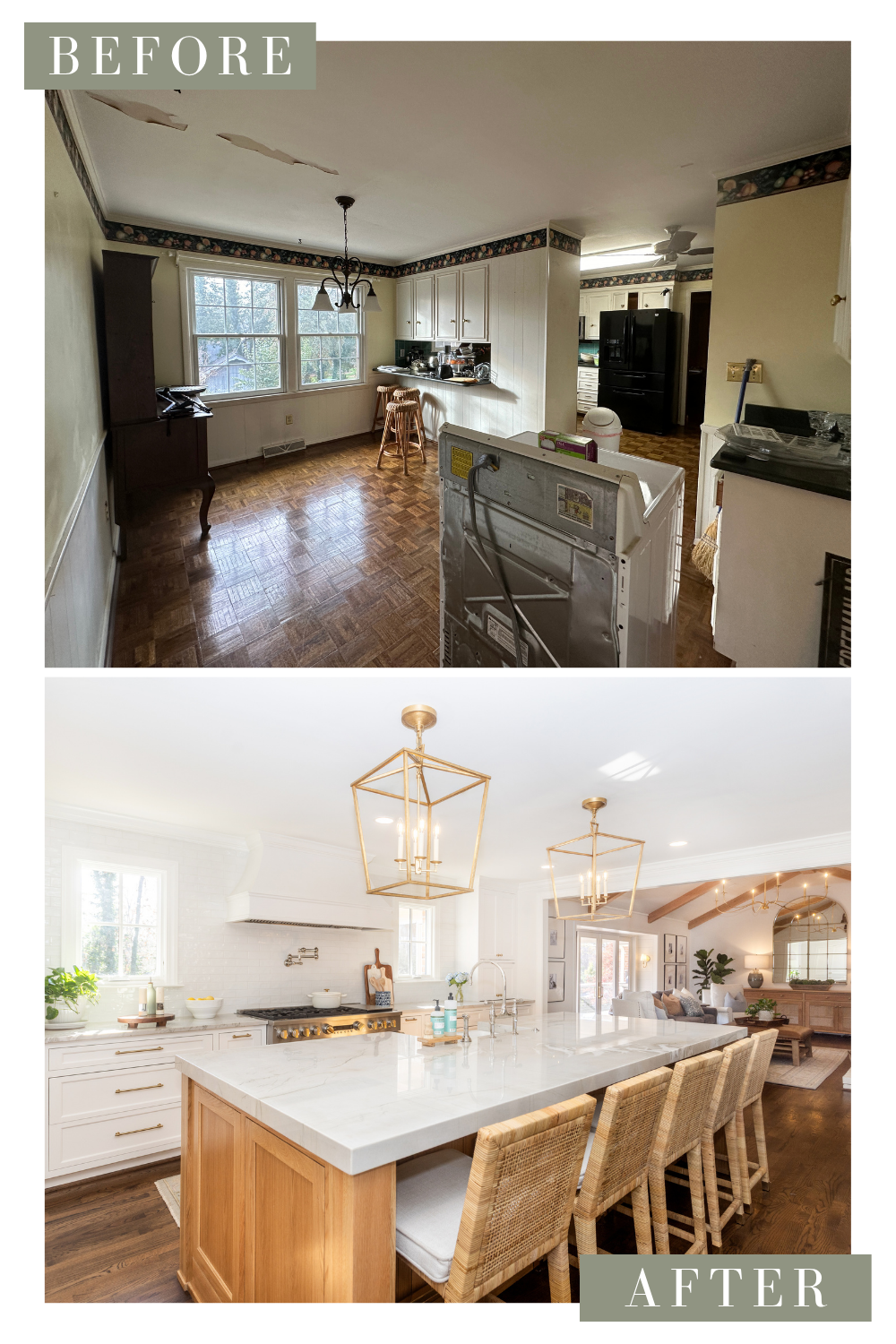
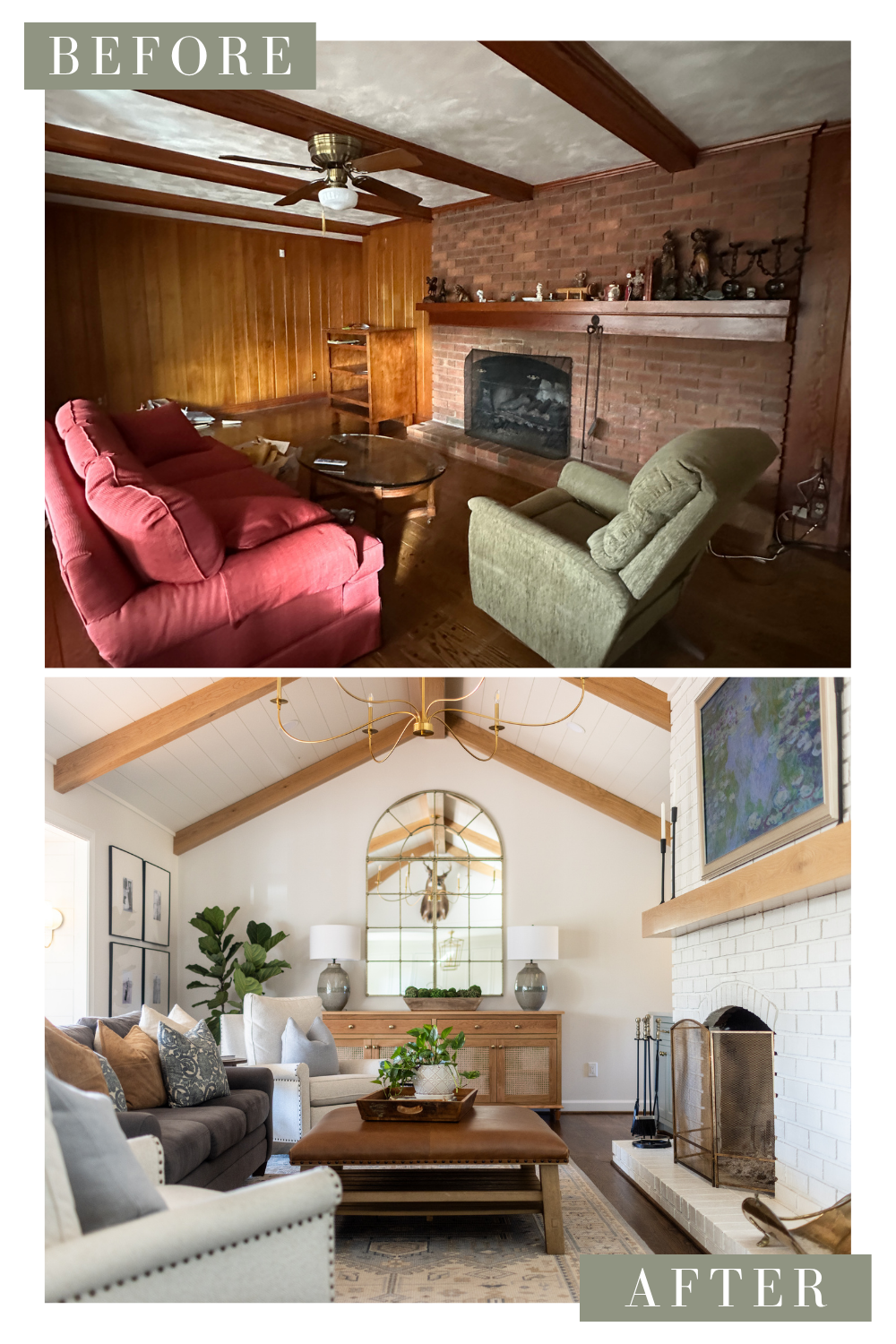
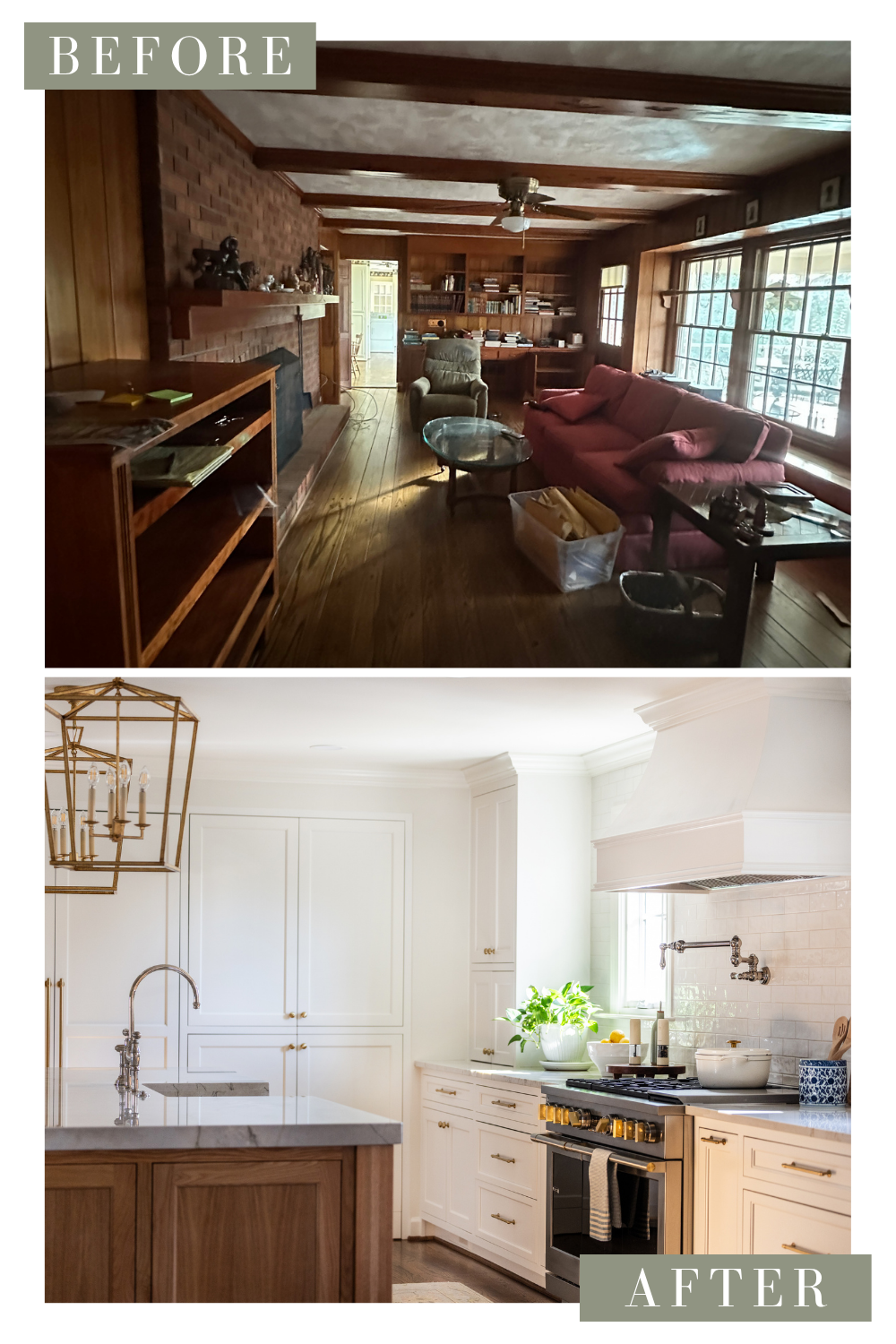
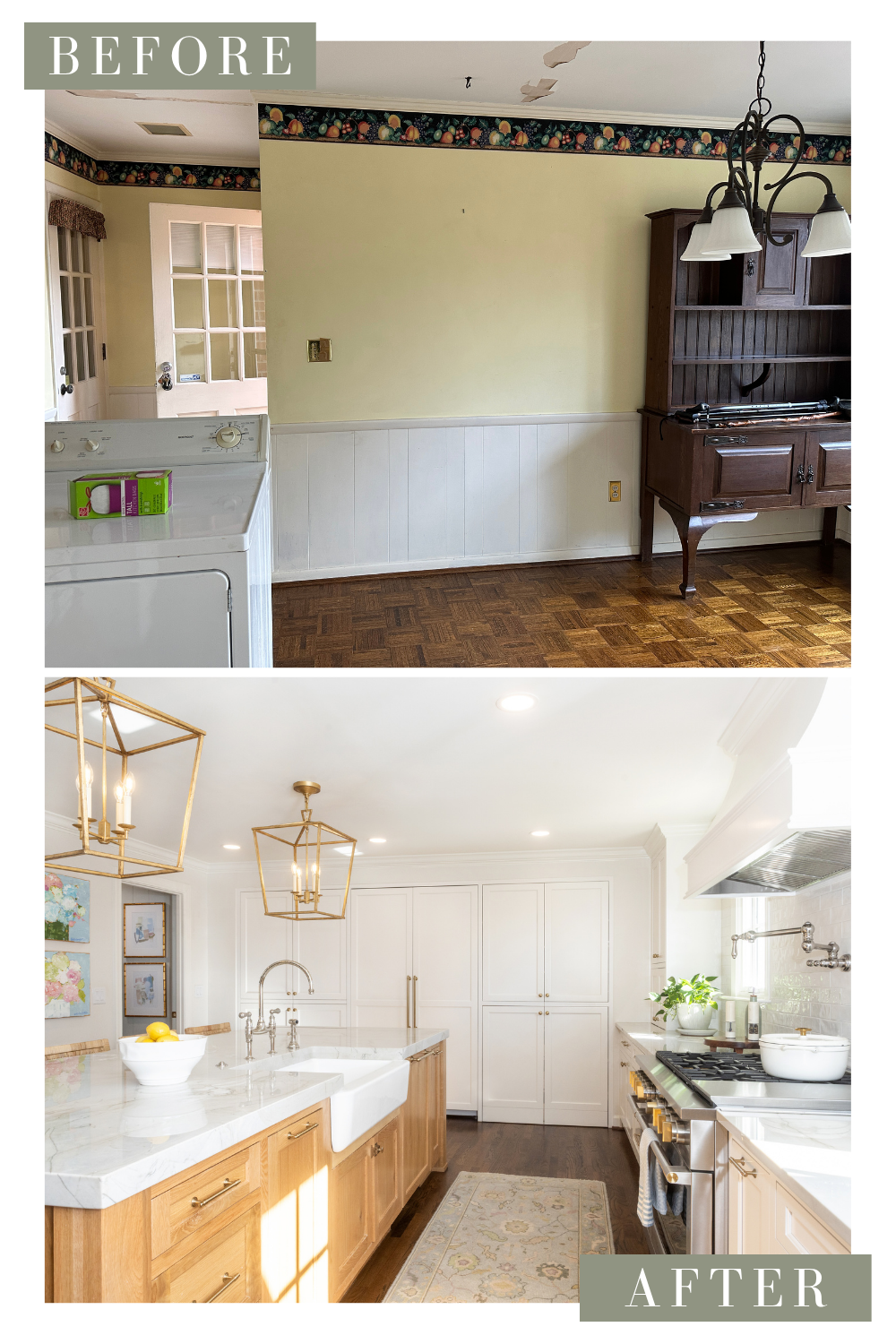
Mixing metals doesn’t have to feel overwhelming. With the right balance—and a few guiding principles—you can create a kitchen that feels both timeless and uniquely yours.
If you’re planning a kitchen remodel in Greenville, SC, our team is here to help you select finishes that work beautifully together. From cabinetry to final details, we guide you every step of the way to ensure your space feels polished, cohesive, and built to last. Contact us today to get started on your dream kitchen!
Selections
Tile purchased through Clayton Tile.
Countertops sourced from Upstate Granite Solutions.
Island pendants ordered from Greer Lighting Center.
Interior photography by Kim DeLoach.
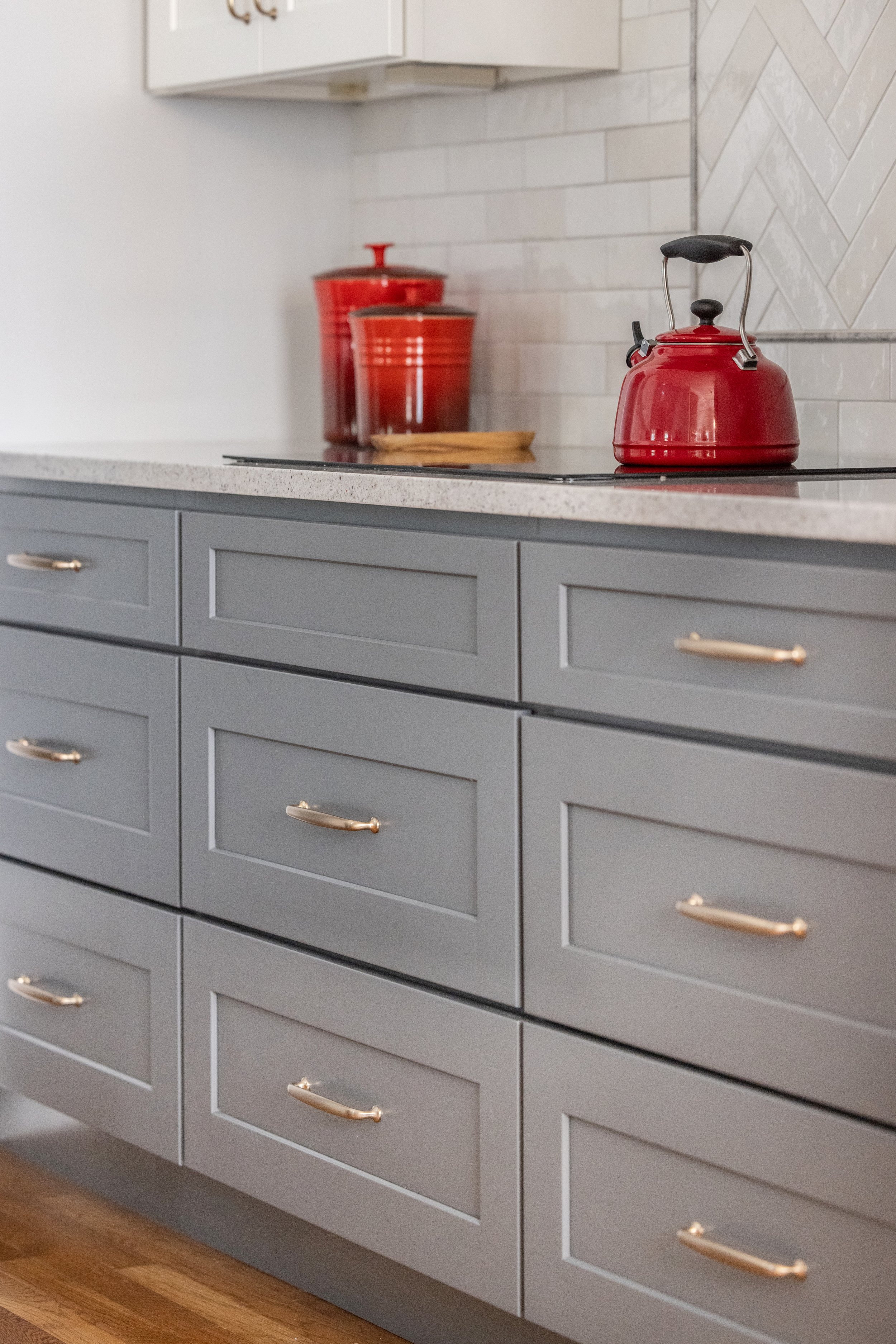
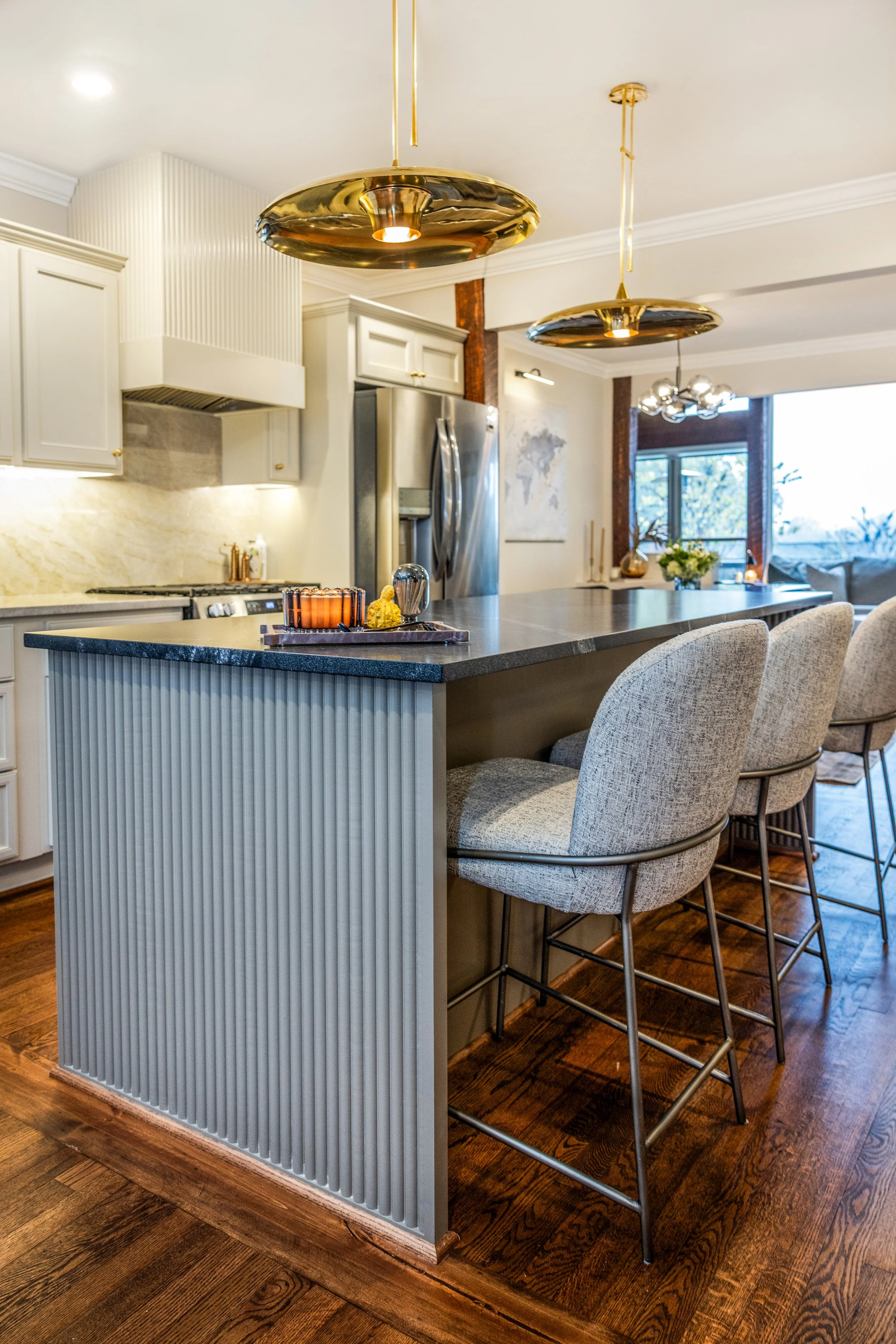
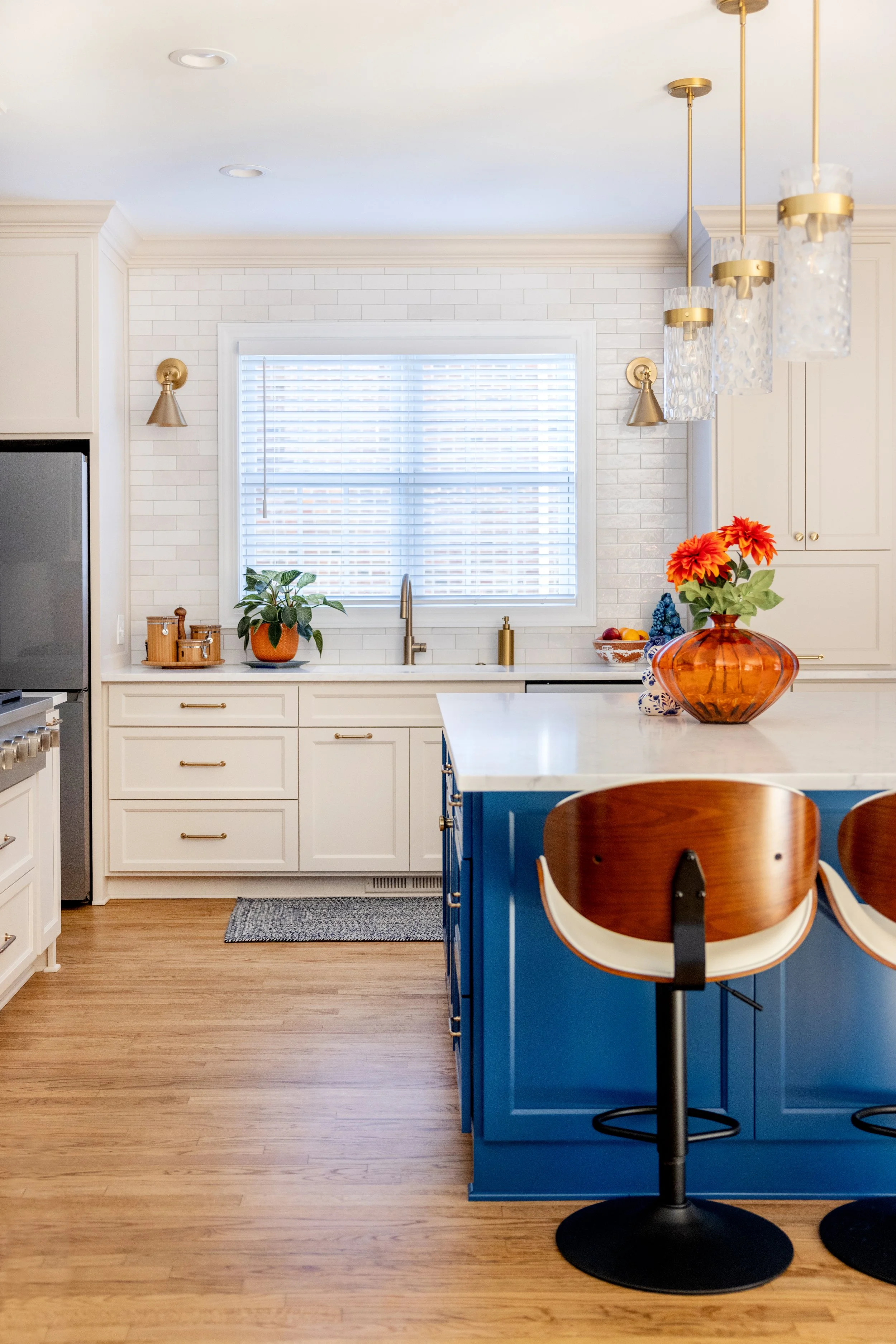









This beautiful custom kitchen on Lake Keowee, South Carolina features soft blue cabinetry, a custom island, and timeless lakefront design.